

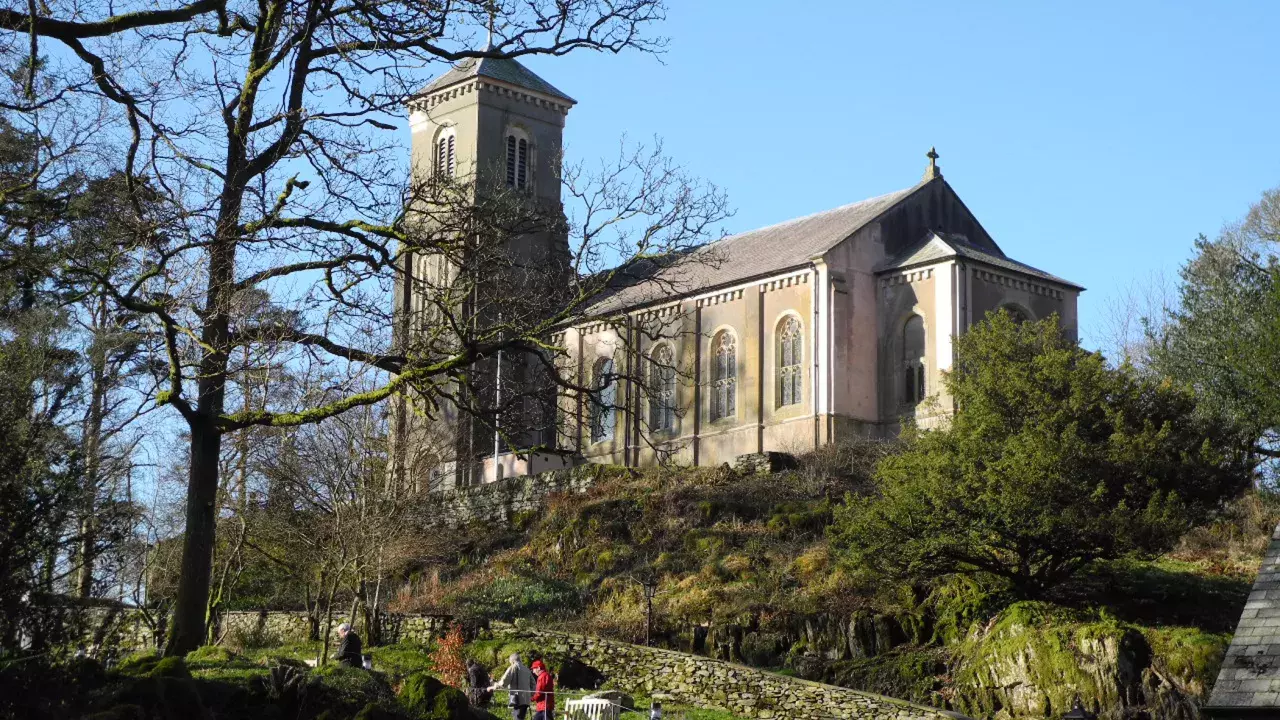
Nestled among the rolling hills and picturesque landscapes of Cumbria, Brathay Church Ambleside stands as one of the Lake District’s most charming and historically significant places of worship. Surrounded by woodland, open countryside, and breathtaking views, this beautiful church attracts visitors who are interested in history, architecture, spirituality, and local heritage.
Although Ambleside is well known for its scenic beauty and connection to famous literary figures, many visitors discover that the church itself is one of the area’s hidden treasures. Its peaceful atmosphere, remarkable architecture, and fascinating past make it a destination worth exploring for anyone visiting the Lake District.
Introduction
Located near the village of brathay church ambleside, just outside Ambleside, Holy Trinity Church is commonly referred to as Brathay Church. Built during the nineteenth century, the church has become a beloved landmark that reflects both the religious and cultural heritage of the region.
Unlike many churches that dominate town centers, this church sits quietly within a rural landscape. The surrounding scenery creates a unique sense of tranquility, allowing visitors to enjoy both natural beauty and historical significance in one location.
For nearly two centuries, the church has served local residents, welcomed travelers, and hosted important community events. Today it continues to be an active place of worship while also attracting visitors from around the world.
The History Behind the Church
The story of Brathay Church Ambleside begins in the early 1830s when local landowner Giles Redmayne sought to establish a church for residents living in the Brathay area. At that time, the population was growing, and easier access to religious services was needed.
Construction was completed in 1836, and the church was officially consecrated shortly afterward. Historical records indicate that the celebrated poet William Wordsworth had a strong interest in the project and greatly admired the chosen location.
Wordsworth reportedly described the site as one of the most beautiful church settings he had ever encountered. His appreciation for the landscape continues to add cultural significance to the church’s story.
Over the years, the building has undergone careful restoration and maintenance efforts to preserve its original character while ensuring that it remains functional for modern use.
A Unique Architectural Design
One of the most striking features of the church is its distinctive architectural style. Unlike many traditional English parish churches, Holy Trinity Church displays elements of Romanesque Revival architecture combined with Italian influences.
The church’s exterior is immediately recognizable thanks to its elegant proportions, stone construction, and ivy-covered walls. Visitors often comment on how naturally the building blends into the surrounding countryside.
Another unusual characteristic is its orientation. Most churches are traditionally aligned east to west. Due to the challenging terrain of the hillside site, however, the church was built on a north-south axis. This uncommon arrangement gives the building a unique place among historic churches in England.
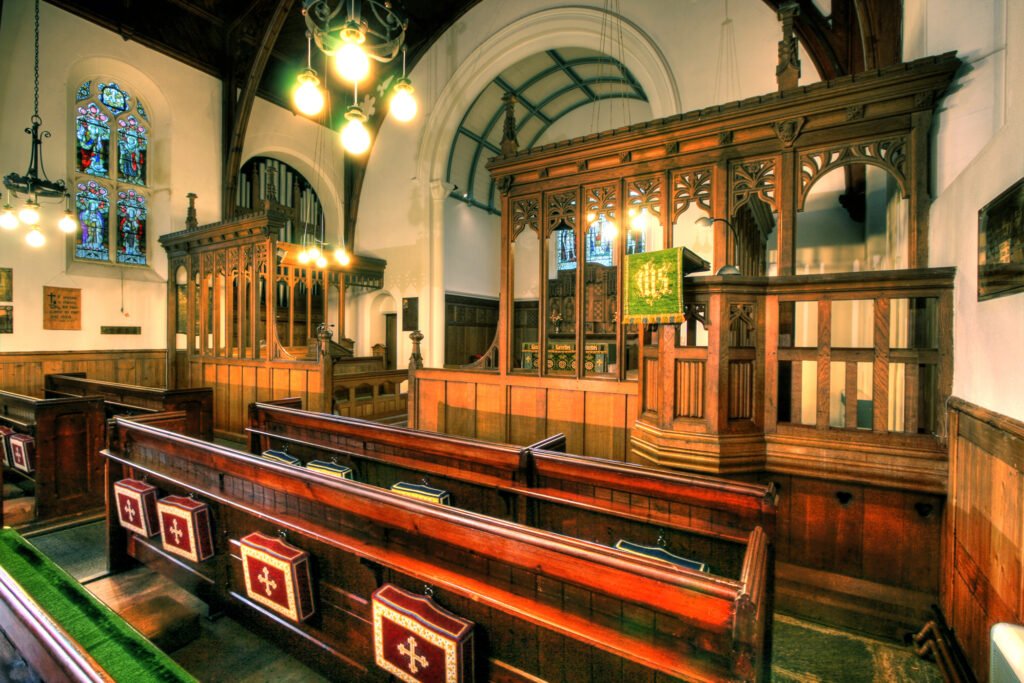
Inside, visitors will find an inviting atmosphere featuring beautiful stained-glass windows, timber craftsmanship, and decorative details that reflect nineteenth-century church design.
The Connection to William Wordsworth
Few churches in the Lake District can claim such a close association with one of England’s greatest poets. William Wordsworth spent much of his life in the region and developed a deep appreciation for its landscapes and communities.
His connection with the church is one of the reasons many literary enthusiasts choose to visit. While he was not directly responsible for designing the building, his admiration for the site helped strengthen its reputation.
Wordsworth believed that places of worship should exist in harmony with their natural surroundings. The church perfectly reflects this philosophy, standing quietly amid fields, trees, and distant fells.
Today, visitors often include the church as part of a broader Wordsworth-themed journey through the Lake District.
The Interior Experience
Stepping inside the church offers a different perspective from the dramatic scenery outside. The interior is warm, welcoming, and thoughtfully designed.
Natural light filters through stained-glass windows, creating a peaceful atmosphere that encourages reflection and contemplation. The wooden ceiling adds warmth to the space, while historic furnishings preserve the character of the original nineteenth-century church.
Many visitors appreciate the sense of calm they experience inside. Unlike larger tourist attractions that can become crowded, the church often provides a quiet environment where guests can pause and enjoy a moment of peace.
The historic bells, some dating back to the church’s earliest years, remain another important feature that connects the present congregation with generations of worshippers who came before them.
Brathay Church Ambleside Bio Table
| Information | Details |
|---|---|
| Name | Holy Trinity Church (Brathay Church) |
| Common Name | Brathay Church Ambleside |
| Location | Brathay, near Ambleside, Cumbria, England |
| Country | United Kingdom |
| Established | 1836 |
| Denomination | Church of England (Anglican) |
| Architectural Style | Romanesque Revival |
| Heritage Status | Grade II Listed Building |
| Famous For | Historic architecture and Wordsworth connection |
| Nearby Attraction | Lake District National Park |
| Visitor Access | Open for worship and visitors |
| Current Status | Active Parish Church |
Why Visitors Love the Church
The appeal of Brathay Church Ambleside extends far beyond its religious function. Travelers frequently describe it as one of the most peaceful locations in the region.
Photography enthusiasts appreciate the beautiful setting and seasonal changes that transform the surrounding landscape throughout the year. Spring flowers, summer greenery, autumn colors, and winter frost each offer unique opportunities for memorable photographs.
History lovers enjoy discovering the stories associated with the church’s construction and its relationship with prominent local figures. Architecture enthusiasts admire its unusual design and craftsmanship.
For many visitors, however, the greatest attraction is simply the atmosphere. The combination of natural beauty and historical character creates a setting that feels timeless.
The Church and Local Community
Since its opening, the church has played an important role in local life. It has hosted baptisms, weddings, funerals, and countless community gatherings over the decades.
The church remains active today and continues to welcome both residents and visitors. Regular worship services, special celebrations, concerts, and seasonal events help maintain its place at the heart of the local community.
This ongoing role demonstrates that the church is not merely a historic monument. It remains a living part of the area’s cultural and spiritual identity.
The Surrounding Landscape
One of the reasons the church attracts so much admiration is its remarkable location within the Lake District National Park.
The surrounding countryside features woodland paths, open fields, stone walls, and stunning views of nearby hills. Visitors often combine a trip to the church with walks around Ambleside and the Brathay area.
The peaceful rural setting allows guests to experience the natural beauty that has inspired writers, artists, and travelers for generations.
Many visitors find that the journey to the church is just as rewarding as the destination itself.
Visiting Information
The church is located near Ambleside in Cumbria and can be reached easily by car or on foot from nearby walking routes. Its convenient location makes it a popular stop for tourists exploring the central Lake District.
Visitors are encouraged to check current opening hours before traveling, particularly during winter months when schedules may vary.
Respectful behavior is expected, as the building remains an active place of worship. Photography is generally welcomed, though visitors should remain mindful of services or private events taking place.
Interesting Facts
The church was completed in 1836 and has served the community for nearly two centuries. Its location was admired by William Wordsworth, adding literary significance to its history. The building’s unusual north-south orientation distinguishes it from many traditional churches. It is also recognized as a protected historic structure due to its architectural and cultural importance.
Another notable fact is that the famous wedding hymn “O Perfect Love” was first sung here during a wedding ceremony in the nineteenth century, giving the church a unique place in English church music history.
Conclusion
Brathay Church Ambleside represents far more than a historic building. It is a symbol of local heritage, architectural beauty, spiritual tradition, and the enduring connection between people and landscape in the Lake District.
Whether you are interested in history, literature, architecture, photography, or simply finding a peaceful place to visit, the church offers a memorable experience. Its stunning setting, fascinating past, and welcoming atmosphere continue to attract visitors from across the world.
For anyone exploring Ambleside and the surrounding Lake District, a visit to this remarkable church provides an opportunity to discover one of Cumbria’s most cherished landmarks.
FAQs brathay church ambleside
Q: What is Brathay Church Ambleside?
A: It is a historic Anglican church located near Ambleside in the Lake District.
Q: When was Brathay Church built?
A: The church was completed and consecrated in 1836.
Q: Why is Brathay Church famous?
A: It is known for its beautiful setting and connection to William Wordsworth.
Q: Can visitors enter the church?
A: Yes, visitors are welcome during opening times and services.
Q: Is Brathay Church a listed building?
A: Yes, it is a Grade II listed historic church.
