

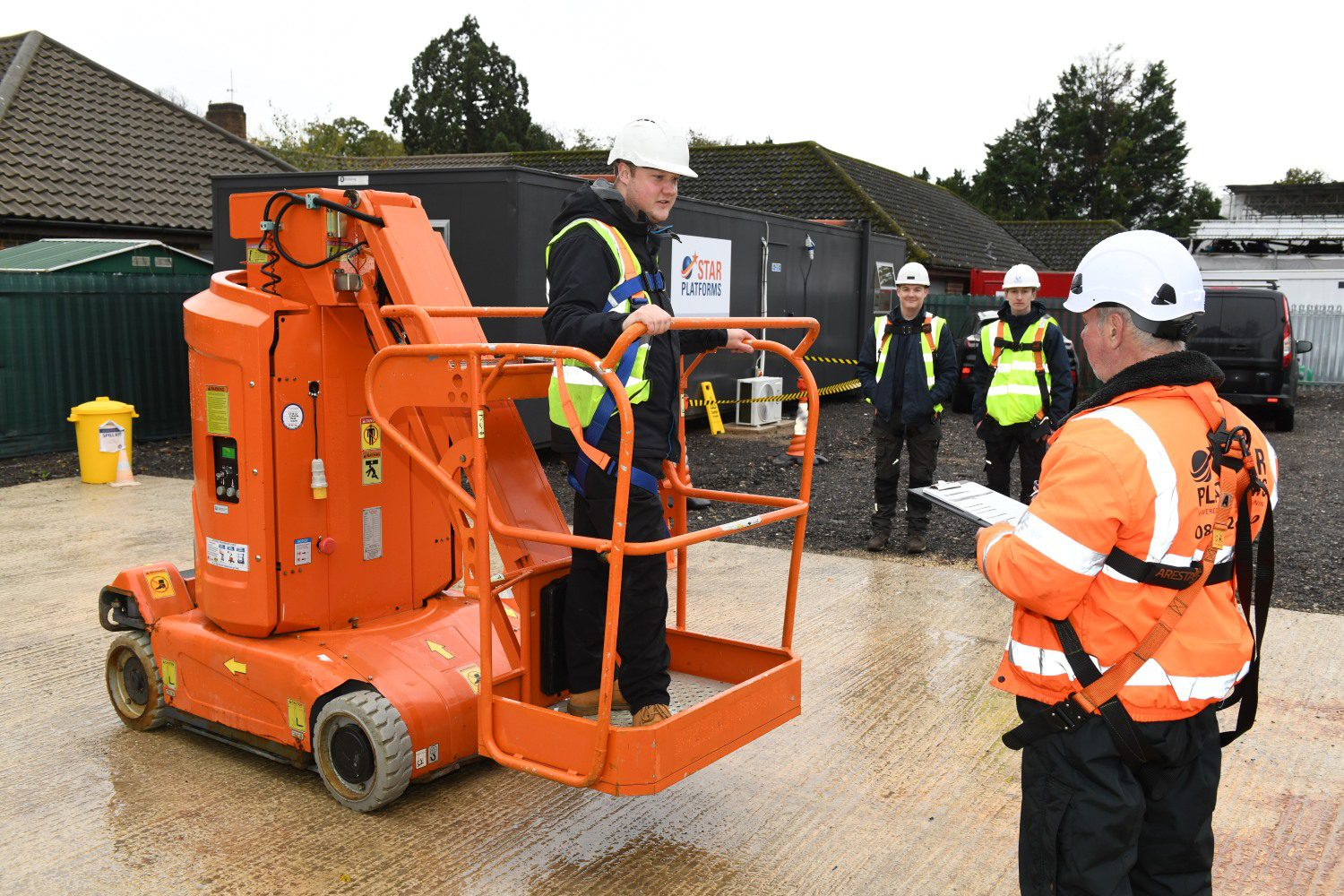
Working at height is one of the most demanding and safety-critical tasks across industries such as construction, maintenance, warehousing, and facilities management. Every year, workplace accidents involving elevated work platforms highlight the importance of proper operator education. IPAF operator training has become the global standard for teaching workers how to use Mobile Elevating Work Platforms (MEWPs) safely, efficiently, and responsibly.
Whether you are starting a career in construction or an experienced worker looking to improve your qualifications, understanding how this internationally recognized training works can help you build confidence while reducing workplace risks. This guide explains everything you need to know, including what the course covers, its benefits, certification process, and why employers around the world value qualified operators.
What Is IPAF Operator Training?
IPAF operator training is a professional safety course developed by the International Powered Access Federation (IPAF). The program teaches operators how to safely inspect, prepare, and operate powered access equipment used for working at height. It combines theoretical learning with practical assessments to ensure operators understand both safety regulations and real-world machine operation.
The course is delivered through IPAF-approved training centers located across many countries. Every approved center follows consistent training standards, ensuring candidates receive high-quality instruction regardless of where they complete the course.
Understanding IPAF
The International Powered Access Federation, commonly known as IPAF, is a global organization dedicated to improving safety in the powered access industry. Since its establishment in 1983, IPAF has worked with manufacturers, rental companies, contractors, and safety professionals to reduce workplace accidents involving elevated work platforms.
Beyond operator education, the organization develops technical guidance, publishes safety campaigns, supports industry research, and promotes best practices for working safely at height.
Why Training Matters
Operating a scissor lift or boom lift may appear straightforward, but every machine presents unique hazards. Poor planning, incorrect setup, uneven ground, overhead obstacles, and unsafe operator behavior can all lead to serious incidents.
IPAF operator training helps individuals recognize these hazards before they become accidents. The course teaches operators how to carry out pre-use inspections, understand machine limitations, evaluate worksite risks, and follow emergency procedures if unexpected situations arise.
Employers benefit as well because properly trained operators contribute to safer workplaces, fewer equipment repairs, and improved productivity.
Bio Table
| Topic | Details |
|---|---|
| Article Title | IPAF Operator Training: The Complete Guide to Safe MEWP Operation and Certification |
| Focus Keyword | ipaf operator training |
| Category | Business |
| Industry | Construction, Health & Safety |
| Organization | International Powered Access Federation (IPAF) |
| Training Type | MEWP (Mobile Elevating Work Platform) Operator Training |
| Course Duration | Typically 1–2 Days (depending on categories) |
| Certification | IPAF PAL Card (Powered Access Licence) |
| Validity | Generally 5 Years |
| Suitable For | Construction Workers, Electricians, Engineers, Maintenance Staff, Warehouse Operators |
| Purpose | Safe operation of powered access equipment |
| Global Recognition | Internationally Accepted |
Who Should Complete the Course?
The course is suitable for anyone who uses Mobile Elevating Work Platforms during their job. Construction workers frequently require certification, but many other industries also depend on trained operators.
Maintenance engineers, electricians, painters, warehouse staff, telecommunications technicians, facility management teams, utility contractors, airport workers, industrial maintenance personnel, and event installation crews regularly complete IPAF operator training before operating powered access equipment.
Most beginner courses do not require previous operating experience, making the certification accessible to new entrants as well as experienced professionals.
Machines Covered During Training
Different workplaces require different types of access equipment, and the training reflects this variety.
Candidates may learn to operate vertical personnel lifts, electric or diesel scissor lifts, self-propelled boom lifts, articulated boom lifts, telescopic boom lifts, and static boom platforms. Training categories are selected according to the equipment required for the candidate’s job role.
Both indoor and outdoor operating environments are discussed, along with safe travel techniques and platform positioning.
Course Structure
IPAF operator training combines classroom-based theory or online eLearning with practical instruction.
The theoretical section introduces workplace legislation, hazard awareness, equipment terminology, machine stability, safe operating procedures, emergency controls, and daily inspections. Candidates also learn about personal protective equipment, risk assessments, weather considerations, and rescue planning.
After completing the theory, participants move to practical instruction where experienced trainers demonstrate correct operating techniques. Candidates practice positioning machines safely, maneuvering around obstacles, raising and lowering platforms correctly, and completing shutdown procedures before taking their practical assessment.
This balanced approach ensures operators understand both the knowledge behind safe operation and the practical skills required in real working environments.
Assessment and Certification
At the end of the course, candidates complete both a written knowledge assessment and a practical operating test.
Successful participants receive the internationally recognized IPAF Powered Access Licence, commonly known as the PAL Card. The qualification demonstrates that the holder has completed approved operator training for specific categories of powered access equipment.
The certification is widely accepted by employers, contractors, equipment rental companies, and project managers in numerous countries. Digital certification is also available through the official ePAL mobile application, allowing operators to access their qualification electronically.
Benefits for Workers
Completing IPAF operator training provides far more than a certificate. It builds confidence by giving operators a clear understanding of machine controls, safety procedures, and correct working practices.
Many employers specifically request IPAF-certified operators when recruiting because certification demonstrates professionalism and commitment to workplace safety. Qualified operators often enjoy broader employment opportunities across construction, maintenance, manufacturing, logistics, and infrastructure projects.
Training also reduces the likelihood of accidents that could result in injuries, equipment damage, project delays, or legal consequences.
Benefits for Employers
Organizations investing in operator education often experience measurable improvements in workplace safety.
Properly trained staff are more likely to identify hazards early, inspect equipment correctly, and operate machines within manufacturer guidelines. This reduces maintenance costs, minimizes downtime caused by accidents, and supports compliance with occupational health and safety regulations.
Clients and contractors frequently prefer working with companies whose operators hold recognized qualifications, strengthening business credibility and supporting successful project delivery.
Course Duration
The length of IPAF operator training depends on the number of machine categories selected and the candidate’s previous experience.
Many operator courses are completed within one day when covering a single machine category, while multiple categories may require additional training time. Online theory modules can often be completed before attending the practical assessment, making the overall process more flexible.
Renewing Certification
The PAL Card remains valid for several years before renewal is required. Operators should refresh their knowledge before certification expires to remain compliant with employer requirements and industry best practices.
Renewal courses review current safety guidance while reinforcing correct operating procedures and introducing any important updates to equipment or regulations.
Common Workplace Applications
Powered access equipment is used across countless industries where ladders or scaffolding may not provide the safest solution.
Building maintenance teams use elevated work platforms to repair lighting systems and building exteriors. Construction workers install structural components at height, while warehouse operators maintain storage systems and inventory equipment. Telecommunications engineers access communication towers, and event crews safely install lighting, staging, and signage.
The versatility of MEWPs explains why qualified operators continue to be in high demand worldwide.
Physical Appearance, Age, Family, Net Worth, and Social Media
Unlike a celebrity biography, IPAF operator training is a professional certification program rather than a person or public figure. As a result, details such as age, height, family, physical appearance, net worth, or personal social media accounts do not apply.
Instead, the program is managed by the International Powered Access Federation, which provides official information, training updates, safety campaigns, and digital certification services through its website and official communication channels.
Conclusion
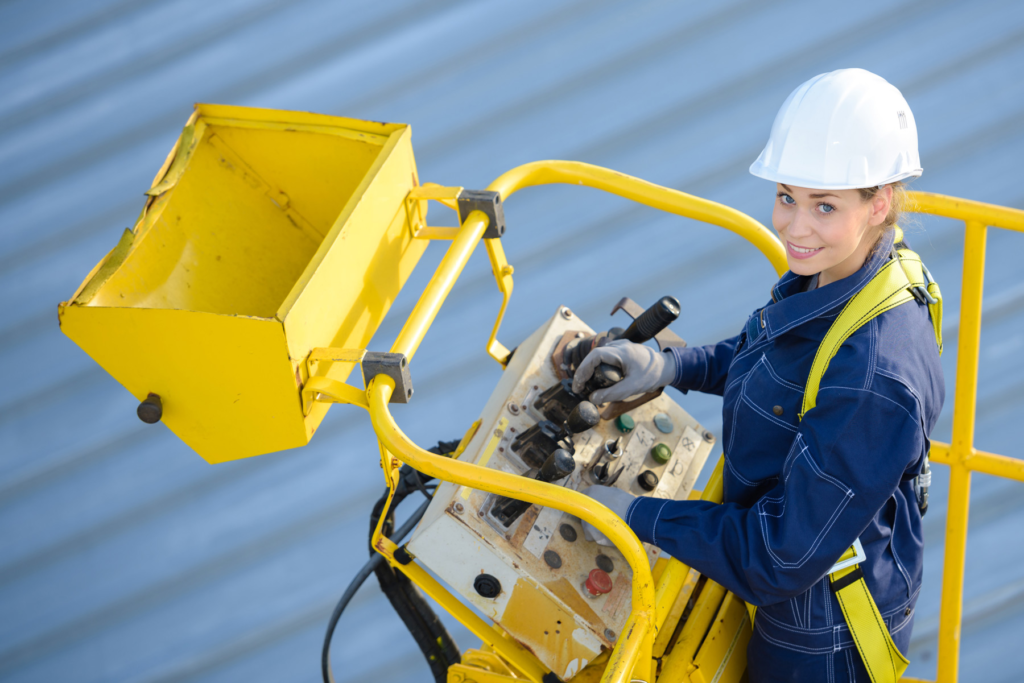
IPAF operator training remains one of the most respected qualifications for anyone working with powered access equipment. By combining classroom learning, practical experience, and internationally recognized certification, the program helps operators perform their jobs safely while supporting employers in creating safer workplaces.
As industries continue to prioritize health and safety, professionally trained operators are becoming increasingly valuable. Whether you are beginning a new career or strengthening your existing skills, investing in recognized powered access training is an important step toward safer working practices, greater confidence, and improved employment opportunities.
