

Introduction
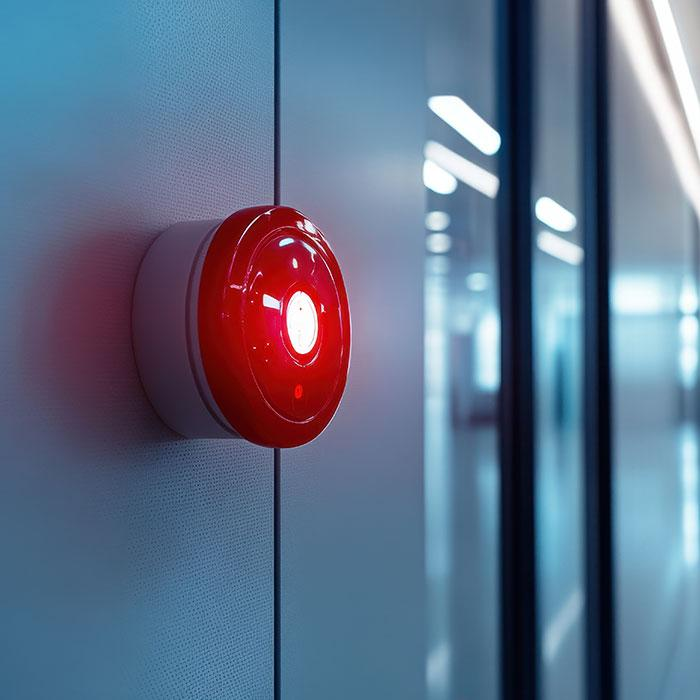
Fire safety has become an essential part of modern buildings, whether they are homes, offices, schools, hospitals, warehouses, or industrial facilities. While most people are familiar with smoke alarms and audible sirens, visual warning devices are equally important in ensuring that everyone receives a clear and immediate warning during a fire emergency. Among these devices, fire alarm beacons play a significant role by providing bright flashing lights that alert occupants when a fire alarm system has been activated.
Designed to complement traditional sounders, these visual alarm devices improve safety for people with hearing impairments and for those working in noisy environments where audible alarms may be difficult to hear. As building regulations continue to place greater emphasis on accessibility and life safety, visual alarm systems have become a standard feature in many public and commercial buildings. Understanding how they work, where they are installed, and why they are important can help building owners make informed decisions about fire protection.
What Are Fire Alarm Beacons?
Fire alarm beacons are visual signalling devices connected to a building’s fire alarm system. When the fire alarm is triggered by smoke detectors, heat detectors, or manual call points, the beacon emits a powerful flashing light to warn occupants of a potential fire emergency.
Unlike audible alarms that rely on sound, these devices communicate through highly visible flashes. Modern units typically use LED technology, which provides excellent brightness while consuming very little electrical power. Their purpose is not to replace alarm sounders but to work alongside them, ensuring that everyone inside the building receives the warning regardless of environmental conditions.
The combination of audible and visual alerts creates a more inclusive and reliable fire safety system that can be recognised quickly by all occupants.
Bio Table
| Field | Details |
|---|---|
| Article Title | Fire Alarm Beacons: A Complete Guide to Visual Fire Safety Systems |
| Focus Keyword | fire alarm beacons |
| Category | Fire Safety |
| Article Type | Informative Guide |
| Content Purpose | To educate readers about fire alarm beacons, their uses, benefits, features, and importance in fire safety systems. |
| Target Audience | Homeowners, business owners, facility managers, fire safety professionals, and |
Why Visual Fire Warnings Matter
Fire emergencies often create stressful situations where every second counts. In noisy workplaces such as factories, workshops, airports, and construction sites, loud machinery can reduce the effectiveness of traditional sirens. Similarly, individuals with hearing loss may not recognise an audible alarm immediately.
Visual warning devices help overcome these challenges by providing an unmistakable flashing signal. Bright LED flashes attract attention instantly, allowing occupants to begin evacuation without delay. This additional layer of communication improves overall safety and helps reduce confusion during emergency situations.
Many modern building standards recognise the importance of visual alarms as part of an accessible fire safety strategy.
How Fire Alarm Beacons Work
The operation of fire alarm beacons is relatively straightforward. Every unit is connected to the building’s fire alarm control panel through the alarm circuit. When a detector identifies smoke, excessive heat, or another fire-related condition, it sends a signal to the control panel.
The control panel then activates all connected warning devices simultaneously. At this point, the beacon begins producing rapid flashes of high-intensity light that remain active until the alarm system is reset after the emergency has been investigated.
LED-based beacons are now the preferred choice because they offer exceptional reliability, fast response times, and low maintenance requirements. Many manufacturers design their products to deliver consistent brightness throughout their service life while consuming minimal power.
Different Types Available
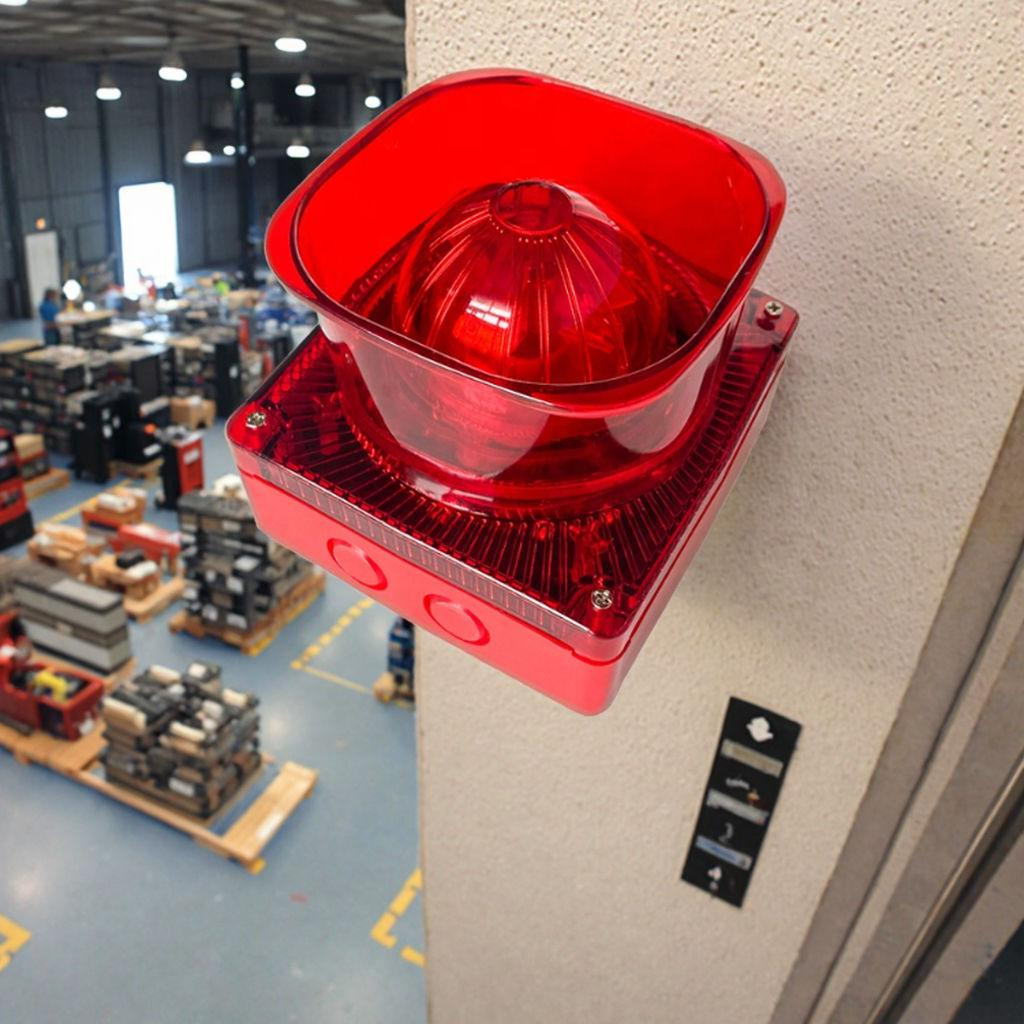
Several designs are available to suit different buildings and applications. Standalone visual beacons are commonly installed where only a flashing warning is required. Combined sounder-beacons integrate both the siren and flashing light into one compact device, reducing installation time while maintaining effective coverage.
Wall-mounted models are widely used in corridors, offices, classrooms, and public areas, while ceiling-mounted versions provide improved visibility in large open spaces. Outdoor-rated units feature weather-resistant enclosures that protect the electronics from rain, dust, and harsh environmental conditions.
Selecting the correct model depends on the building layout, occupancy type, and environmental conditions.
Where They Are Commonly Installed
Visual alarm devices are now found in a wide variety of buildings. Hospitals use them to provide accessible warnings for patients and visitors. Schools, universities, shopping centres, hotels, and office buildings rely on them to improve evacuation procedures during emergencies.
Industrial facilities frequently install visual alarms because machinery can generate noise levels that mask conventional sirens. Warehouses, manufacturing plants, logistics centres, and distribution facilities often combine flashing beacons with powerful alarm sounders to maximise warning effectiveness.
Residential apartment buildings and supported living accommodation may also include visual alarms in communal areas to improve safety for all residents.
Benefits of Fire Alarm Beacons
The greatest advantage of fire alarm beacons is their ability to provide an immediate visual warning that complements audible alarms. This combination ensures that emergency notifications reach the widest possible audience regardless of hearing ability or surrounding noise.
Modern LED technology delivers excellent energy efficiency while offering a service life that can extend for many years. Lower power consumption reduces operating costs and places less demand on the fire alarm system’s power supply.
Reliability is another major benefit. High-quality beacons are designed to operate consistently during emergencies, even after long periods without activation. Their durable construction allows them to withstand demanding commercial and industrial environments.
Visual alarm devices also improve compliance with accessibility requirements by ensuring that people with hearing impairments receive the same level of protection as everyone else. This creates a safer and more inclusive environment for employees, visitors, and building occupants.
Important Features
Modern fire alarm equipment includes several features that enhance performance and reliability. High-intensity LED light sources provide outstanding visibility while requiring very little maintenance. Wide-angle lenses distribute light across larger areas, making the warning easier to see from multiple directions.
Many devices offer low power consumption, robust housings, and long operating lives that minimise replacement costs. Some models provide adjustable flash rates or synchronised flashing, allowing multiple units to operate together for improved visibility throughout a building.
Manufacturers continue developing products that combine attractive design with dependable emergency performance, making them suitable for modern architectural environments.
Installation Considerations
Correct installation plays a vital role in ensuring visual alarms perform effectively. Engineers carefully assess the building layout, ceiling heights, escape routes, room sizes, and occupancy levels before determining suitable installation locations.
Beacons should be positioned where their flashing lights remain clearly visible without obstruction. Large buildings may require multiple units to provide complete visual coverage throughout corridors, stairwells, meeting rooms, reception areas, and open-plan offices.
Installation should always comply with local fire safety regulations and be carried out by qualified professionals familiar with recognised industry standards.
Maintenance and Testing
Like every component of a fire alarm system, visual alarm devices require routine inspection and testing. Regular maintenance confirms that each beacon continues operating correctly and remains free from physical damage or dirt that could reduce light output.
Routine servicing normally includes functional testing, checking electrical connections, inspecting lenses, and confirming communication with the fire alarm control panel. Cleaning the transparent lens helps maintain maximum brightness, while periodic inspections identify any signs of wear before faults develop.
A well-maintained system provides confidence that visual alarms will perform as expected whenever an emergency occurs.
Choosing the Right System
Selecting suitable fire safety equipment requires careful consideration of the building’s purpose, occupancy, and operational requirements. Factors such as room size, ambient lighting, environmental conditions, and accessibility needs all influence the choice of visual alarm devices.
Commercial buildings often benefit from integrated sounder-beacons, while industrial environments may require higher-output units capable of remaining visible despite bright lighting or airborne dust. Healthcare facilities may prioritise devices designed to minimise unnecessary disturbance while still providing clear emergency warnings.
Consulting experienced fire safety professionals ensures that every installation delivers effective protection while complying with relevant regulations.
The Future of Visual Fire Safety
Advances in fire alarm technology continue to improve the performance of visual warning systems. Energy-efficient LEDs, intelligent control panels, and addressable alarm systems allow faster fault detection and easier maintenance than older conventional systems.
As buildings become smarter and accessibility standards continue evolving, visual alarm devices will remain an important part of comprehensive fire protection strategies. Manufacturers are focusing on improving reliability, reducing energy consumption, and creating products that integrate seamlessly with modern building management systems.
These developments ensure that visual alarms continue supporting safer workplaces, public buildings, and residential environments for many years to come.
Conclusion
Fire alarm beacons have become an essential element of modern fire protection systems because they provide a clear and highly visible warning during emergencies. By working alongside traditional alarm sounders, they help ensure that everyone inside a building receives timely notification regardless of hearing ability or environmental noise. Their reliability, energy efficiency, durability, and contribution to accessible fire safety make them a valuable investment for commercial, industrial, educational, healthcare, and residential buildings. As technology advances and safety expectations continue to grow, these visual warning devices will remain a fundamental component of effective fire emergency communication and occupant protection.
