

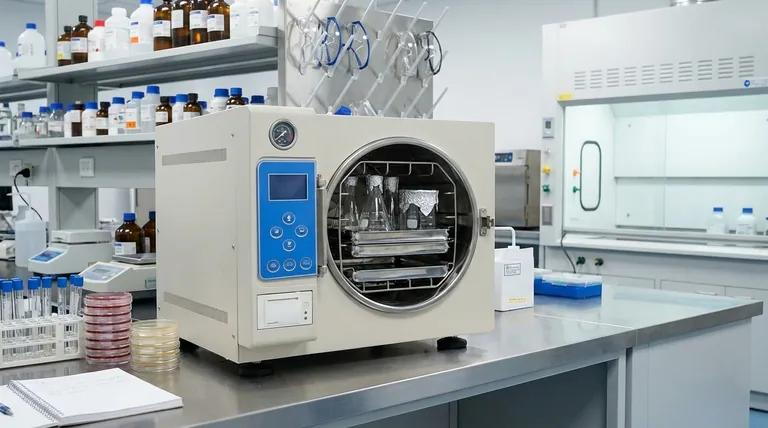
Sterilisation plays a vital role in modern healthcare, scientific research, and laboratory work. Whether in a dental clinic, hospital, veterinary practice, or research facility, ensuring that instruments are free from harmful microorganisms is essential for patient safety and reliable results. One of the most trusted pieces of equipment for this purpose is the benchtop autoclave.
Designed to deliver professional-grade steam sterilisation in a compact footprint, this equipment has become a standard solution for facilities where space is limited but high-performance sterilisation is still required. Thanks to advances in technology, today’s units offer faster cycles, improved energy efficiency, digital monitoring, and enhanced safety features, making them more convenient and reliable than ever before.
This guide explains everything you need to know, from how the machine works to its applications, benefits, maintenance, and factors to consider before purchasing one.
What Is a Benchtop Autoclave?
A benchtop autoclave is a compact steam steriliser that uses pressurised saturated steam to destroy bacteria, viruses, fungi, and highly resistant bacterial spores. Unlike large floor-standing autoclaves used in central sterilisation departments, these smaller units are designed to sit conveniently on a countertop or laboratory bench while delivering the same fundamental sterilisation process.
Their compact design makes them suitable for clinics, laboratories, educational institutions, and specialist healthcare facilities where available space is limited. Despite their size, modern machines are capable of processing a wide variety of medical instruments, laboratory glassware, surgical equipment, textiles, and other heat-resistant materials.
Steam sterilisation remains one of the most effective and environmentally responsible methods because it relies on heat and water rather than harsh chemical disinfectants.
How Steam Sterilisation Works
Although the process appears simple from the outside, several carefully controlled stages take place inside the chamber.
Before sterilisation begins, cleaned instruments are loaded into the chamber. Air is then removed either through gravity displacement or a vacuum pump, depending on the model. Eliminating air is essential because trapped air can prevent steam from reaching every surface of the instruments.
Once the chamber has been evacuated, saturated steam enters under pressure. Most sterilisation cycles operate at temperatures around 121°C or 134°C, allowing heat to penetrate every exposed surface. The combination of heat, moisture, and pressure destroys microorganisms by denaturing proteins and disrupting essential cellular structures.
After the sterilisation phase, many modern units automatically dry the load before the door unlocks, reducing the risk of contamination after processing.
Bio Table
| Field | Details |
|---|---|
| Article Title | Benchtop Autoclave: Complete Guide to Features, Benefits, Uses, and How It Works |
| Focus Keyword | benchtop autoclave |
| Category | Medical Equipment |
| Article Type | Informative Guide |
| Reading Time | 8–10 Minutes |
| Word Count | 1,000+ Words |
| Audience | Healthcare Professionals, Laboratory Technicians, Dentists, Researchers, Students |
| Purpose | To educate readers about benchtop autoclaves, their uses, benefits, and selection tips |
Why Steam Sterilisation Is Trusted
Steam sterilisation has been used in healthcare for more than a century because it consistently provides reliable results when performed correctly.
Unlike chemical disinfectants, steam leaves no toxic residue on instruments. It also reaches difficult areas inside surgical instruments and laboratory equipment that might otherwise be challenging to disinfect thoroughly.
This reliability explains why hospitals, dental surgeries, research laboratories, pharmaceutical facilities, and veterinary practices continue to rely on steam sterilisation as their primary infection-control method.
Main Components
Every autoclave contains several essential components working together throughout each cycle.
The stainless-steel chamber provides a durable, corrosion-resistant environment capable of withstanding repeated exposure to high temperatures and pressure. Heating elements generate steam, while pressure and temperature sensors continuously monitor operating conditions to ensure accurate sterilisation.
Modern systems also include electronic control panels that allow operators to select pre-programmed cycles for different load types. Many premium models feature touchscreen interfaces, automatic diagnostics, integrated printers, USB data logging, and remote monitoring capabilities.
Safety mechanisms such as pressure relief valves, locking doors, and emergency shutdown systems further protect both users and equipment.
Different Types Available
Not every steriliser is designed for the same purpose, making it important to understand the differences between available classes.
Class B models represent the most versatile option. Using a pre-vacuum system, they remove air efficiently before introducing steam. This allows effective sterilisation of wrapped instruments, hollow devices, porous materials, dental handpieces, and complex surgical equipment.
Class S units offer more flexibility than basic gravity systems but are intended for specific load types approved by the manufacturer.
Class N machines rely on gravity displacement to remove air and are generally suitable only for unwrapped solid instruments. While these units are often more affordable, they are less suitable for complex medical equipment.
Selecting the correct class depends on the type of instruments processed daily and any regulatory requirements applicable to the workplace.
Where It Is Used
Healthcare remains the largest user of this technology, but its applications extend far beyond hospitals.
Dental clinics depend on reliable sterilisation to prepare handpieces, mirrors, forceps, and surgical instruments between patients. Veterinary practices use similar equipment for animal surgeries and diagnostic procedures.
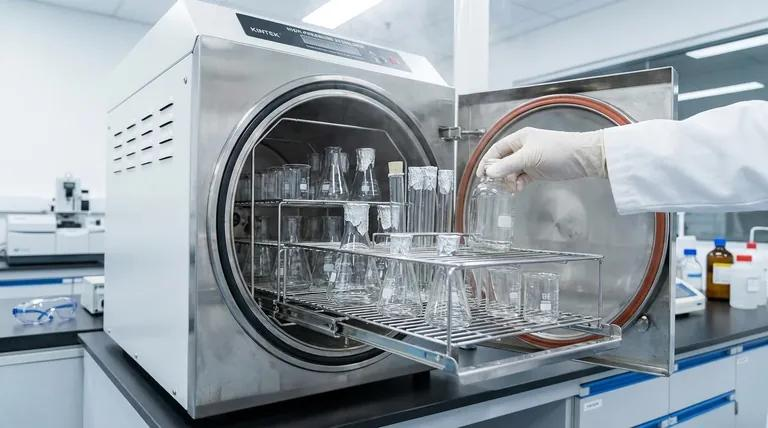
Scientific laboratories sterilise glassware, microbiological media, laboratory tools, and reusable research equipment to prevent contamination during experiments.
Pharmaceutical manufacturers employ steam sterilisation to maintain clean production environments, while universities and research institutions use these machines in teaching laboratories where microbiological safety is essential.
Tattoo studios, cosmetic clinics, podiatry practices, and piercing studios also rely on professional sterilisation to comply with hygiene regulations and protect clients.
Items That Can Be Sterilised
Many reusable instruments tolerate steam sterilisation extremely well.
Stainless-steel surgical instruments, dental tools, laboratory glassware, forceps, scalpels, scissors, culture media, surgical trays, textile packs, pipettes, clamps, and numerous heat-resistant plastics can all be processed safely when manufacturer recommendations are followed.
However, certain materials require alternative sterilisation methods.
Electronic devices, batteries, flammable chemicals, solvents, oils, powders, and heat-sensitive plastics should never be placed inside standard steam sterilisers because they may become damaged or create safety hazards.
Understanding these limitations helps maintain equipment performance while protecting valuable instruments.
Benefits for Modern Facilities
One of the biggest advantages of a benchtop autoclave is its ability to provide hospital-quality sterilisation without requiring a dedicated sterilisation room.
Its compact footprint allows smaller clinics and laboratories to maximise workspace while maintaining strict infection-control standards.
Modern machines also operate with impressive efficiency. Automated programmes reduce manual intervention, while intelligent sensors continuously monitor pressure, temperature, and cycle duration to ensure consistent performance.
Many systems include rapid sterilisation programmes that significantly reduce turnaround times, enabling healthcare professionals to process instruments quickly during busy working days.
Energy efficiency has also improved considerably. Advanced insulation, water-saving technology, and optimised steam generation reduce operating costs without compromising sterilisation effectiveness.
Another important benefit is environmental sustainability. Steam sterilisation uses water instead of chemical disinfectants, producing fewer hazardous by-products and reducing environmental impact.
Maintenance and Daily Care
Like any precision equipment, regular maintenance plays an essential role in ensuring long-term reliability.
The chamber should be cleaned routinely to prevent mineral deposits and residue from accumulating over time. Many manufacturers recommend using distilled or deionised water to minimise limescale formation within the steam generation system.
Door seals should be inspected regularly because worn gaskets may compromise chamber pressure. Filters and drainage systems also require periodic cleaning to maintain efficient operation.
Scheduled servicing by qualified technicians ensures pressure sensors, heating elements, safety valves, and electronic controls continue operating within manufacturer specifications.
Routine validation testing provides additional confidence that sterilisation cycles consistently achieve the required performance.
Choosing the Right Model
Selecting a steriliser involves more than simply comparing chamber sizes.
Facilities should first consider the volume of instruments processed each day. Small clinics may require only an eight-litre or twelve-litre chamber, whereas busy dental practices or research laboratories often benefit from capacities exceeding twenty litres.
Load type is equally important. Practices processing wrapped or hollow instruments generally require vacuum-equipped systems capable of meeting higher sterilisation standards.
Additional considerations include programme options, drying performance, cycle duration, maintenance requirements, data recording capabilities, warranty support, and compliance with recognised international sterilisation standards.
Purchasing equipment from an established manufacturer with strong technical support can provide long-term value through reliable servicing and readily available replacement parts.
Safety During Operation
Although modern sterilisers incorporate numerous safety systems, proper operation remains essential.
Instruments should always be thoroughly cleaned before sterilisation because residual debris may interfere with steam penetration. Overloading the chamber should also be avoided, as adequate spacing allows steam to circulate freely around every instrument.
Operators should wait until pressure returns to a safe level before opening the chamber door and use suitable protective gloves when removing recently sterilised items.
Following manufacturer operating instructions, routine maintenance schedules, and validation procedures ensures both operator safety and effective infection control.
The Future of Sterilisation
Technology continues to improve sterilisation equipment every year.
Newer machines increasingly incorporate cloud-based monitoring, touchscreen interfaces, remote diagnostics, automated maintenance reminders, and digital record management. These innovations simplify regulatory compliance while providing greater confidence in every sterilisation cycle.
Energy-efficient designs, improved insulation, and intelligent control systems are also reducing operating costs while supporting sustainability goals across healthcare and research organisations.
As infection prevention remains a global priority, compact steam sterilisers will continue evolving to deliver greater reliability, faster processing, and enhanced user convenience.
Conclusion
A benchtop autoclave remains one of the most important pieces of equipment in healthcare, laboratory science, dentistry, veterinary medicine, and many other professional environments where effective sterilisation cannot be compromised. Its compact design, dependable steam technology, user-friendly controls, and advanced safety features allow organisations of all sizes to maintain high standards of hygiene while making efficient use of available space.
When properly selected, maintained, and operated according to manufacturer guidance, these sterilisers provide years of dependable performance while helping protect patients, staff, researchers, and the integrity of scientific work. Investing in quality sterilisation equipment is not simply about meeting regulations—it is an investment in safety, reliability, and professional excellence.
FAQs
Q: What is a benchtop autoclave?
A: It is a compact steam steriliser used to disinfect medical and laboratory instruments.
Q: How does a benchtop autoclave work?
A: It uses high-pressure saturated steam to kill bacteria, viruses, fungi, and spores.
Q: Where are benchtop autoclaves commonly used?
A: They are widely used in hospitals, dental clinics, laboratories, and veterinary practices.
Q: What temperature does a benchtop autoclave use?
A: Most units operate at 121°C or 134°C for effective sterilisation.
Q: Why is a benchtop autoclave important?
A: It helps prevent infections by ensuring reusable instruments are properly sterilised before use.
