

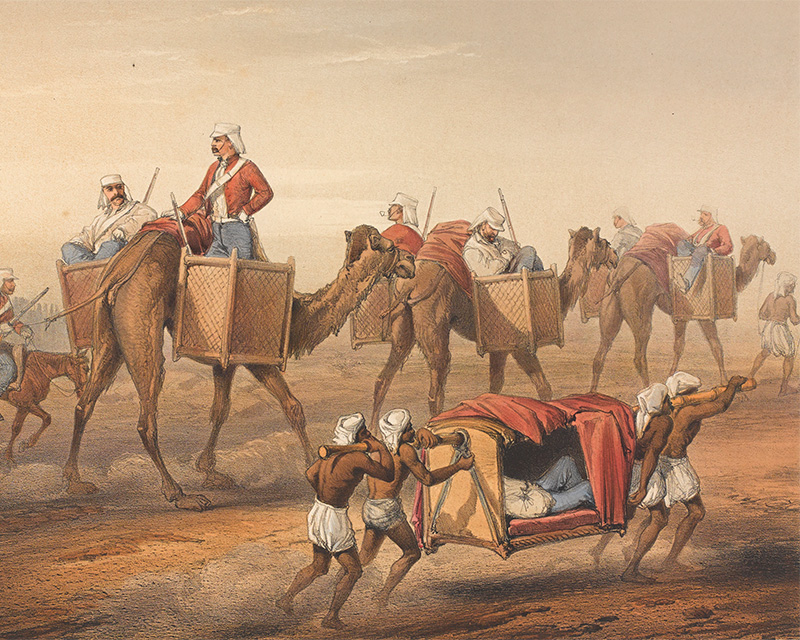
The British Camel Corps occupies a unique place in military history. Long before armored vehicles and modern transport changed the nature of warfare, camels played a vital role in helping soldiers travel across some of the world’s harshest landscapes. During the nineteenth and early twentieth centuries, Britain established several camel-mounted units to support military operations in deserts where horses often struggled to survive. These units became known for their endurance, mobility, and ability to operate in remote regions under extreme conditions.
Although many people associate camel-mounted troops with the Middle East, Britain’s use of camels extended across different parts of its empire, including India, Egypt, Sudan, and Palestine. The most famous of these formations was the Imperial Camel Corps, which fought alongside British and Commonwealth forces during the First World War. Their contribution to desert campaigns helped shape military operations in North Africa and the Middle East and remains an important chapter in British military history.
Introduction
The British Camel Corps was not a single permanent regiment but rather a collection of military units raised at different times for specific campaigns. These soldiers travelled on camels to cross deserts efficiently before dismounting to fight as infantry when combat began. Their unique combination of mobility and firepower made them especially valuable in regions where traditional cavalry could not operate effectively.
Military planners quickly realized that camels offered advantages unavailable from horses. They could travel for long distances with limited water, carry heavy equipment, and remain reliable in scorching temperatures. These qualities made camel-mounted troops an essential part of Britain’s military strategy during several campaigns across the British Empire.
Origins
Britain’s interest in camel-mounted forces developed during the expansion of its empire in the nineteenth century. Military operations frequently took place in dry, remote areas where transportation presented enormous challenges. Traditional cavalry units often struggled because horses required more water, more food, and were less suited to deep sand and desert climates.
One of the earliest examples was the Scinde Camel Corps, established in 1843 in what is now Sindh, Pakistan. Its main responsibility was protecting trade routes, patrolling frontier regions, and maintaining security in difficult terrain. Although this early unit was later reorganized, it demonstrated the military value of camels and influenced future British desert operations.
As Britain’s responsibilities expanded across Egypt, Sudan, and the Middle East, military commanders continued to rely on camel-mounted troops whenever desert warfare became necessary.
Bio Table
| Topic | Details |
|---|---|
| Article Title | British Camel Corps: Complete History, Role & Legacy |
| Focus Keyword | British Camel Corps |
| Category | History |
| Topic Type | Military History |
| Country | United Kingdom |
| Historical Period | 19th Century & World War I |
| Founded | Early camel units from 1843; Imperial Camel Corps formed in 1916 |
| Disbanded | 1919 (Imperial Camel Corps) |
| Known For | Desert warfare, reconnaissance, long-range patrols, and military transport |
| Main Regions | Egypt, Sinai, Palestine, Sudan, British India |
| Best For | History enthusiasts, military researchers, students |
Formation During the First World War
The best-known British Camel Corps formation emerged during the First World War. In 1916, British commanders created the Imperial Camel Corps Brigade to support military operations against Ottoman forces in Egypt, Sinai, and Palestine.
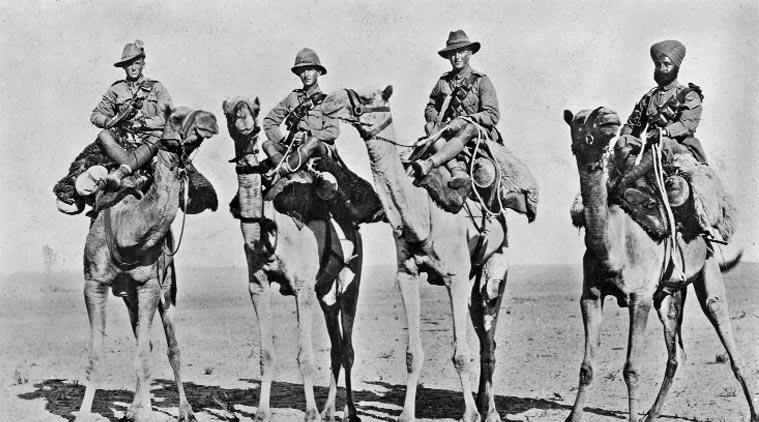
The brigade consisted of volunteers from Britain, Australia, New Zealand, and India. Although the soldiers represented different countries within the British Empire, they trained together and operated as one highly specialized force. Their mission involved long-distance patrols, reconnaissance, protecting supply routes, and supporting larger military offensives across the desert.
Unlike cavalry units that fought while mounted, camel troops usually dismounted before entering battle. Their camels transported them rapidly across difficult terrain before they engaged the enemy as trained infantry.
Training and Daily Life
Serving in a camel unit required patience, discipline, and adaptability. Many soldiers had never ridden camels before joining the corps. Learning to control these large animals demanded considerable practice because camel riding differed greatly from horseback riding.
Training focused on navigation, desert survival, marksmanship, and maintaining equipment under harsh environmental conditions. Soldiers also learned how to care for their camels, which became valuable partners during long patrols lasting several days.
Daily life in the desert presented constant challenges. Intense daytime heat, freezing nights, sandstorms, and limited water supplies tested both men and animals. Despite these hardships, the corps developed an excellent reputation for resilience and professionalism.
Camels as Military Animals
Camels proved exceptionally well suited to military service in desert regions. Their physical characteristics allowed armies to move efficiently where wheeled transport and horses often failed.
Unlike horses, camels could travel for extended periods without drinking water. They carried heavy loads including ammunition, weapons, food supplies, medical equipment, and personal gear while remaining capable of covering long distances each day.
Their wide feet prevented them from sinking deeply into soft sand, making them ideal for crossing deserts. This ability gave British commanders greater flexibility when planning military operations far from established roads or railways.
The animals also remained calm under difficult conditions, although they required experienced handlers and careful management throughout long campaigns.
Weapons and Equipment
Soldiers serving in the corps carried equipment similar to regular infantry units. Their standard weapon was usually the Lee-Enfield rifle, supported by bayonets, ammunition, water bottles, field packs, and essential survival supplies.
Special saddles were designed specifically for military camels, allowing the animals to carry both riders and heavy equipment comfortably. Uniforms were adapted for hot climates and often included lightweight clothing, protective headgear, and practical footwear suitable for marching across rocky ground and desert sand.
Communication equipment, field maps, compasses, and medical supplies formed important parts of every patrol, ensuring that units could operate independently for extended periods.
Major Campaigns
The Imperial Camel Corps participated in several important operations during the Sinai and Palestine Campaign. These battles played a significant role in weakening Ottoman control over the region.
One of the corps’ earliest successes came during the Battle of Magdhaba in December 1916. After a demanding march across the desert, the camel troops helped capture the Ottoman defensive position, demonstrating their effectiveness during coordinated military operations.
Another important victory followed at Rafa in January 1917, where the corps once again contributed to defeating Ottoman forces. Their ability to move rapidly across difficult terrain allowed British commanders to surprise enemy positions that were otherwise difficult to reach.
Throughout the campaign, camel-mounted soldiers supported reconnaissance missions, guarded communication lines, escorted supply convoys, and participated in offensive operations alongside infantry and cavalry formations.
Advantages in Desert Warfare
The greatest strength of the British Camel Corps was its ability to overcome the environmental challenges that limited conventional armies. Desert warfare required mobility, endurance, and careful planning because water sources were scarce and transportation options were limited.
Camels gave soldiers access to remote areas that would have been extremely difficult to reach using horses or vehicles available at the time. This increased operational flexibility allowed commanders to launch attacks from unexpected directions and maintain supply lines across vast distances.
The corps also proved valuable for gathering intelligence. Long-range patrols observed enemy movements, mapped terrain, and reported strategic information that supported larger military operations.
Challenges Faced
Despite its success, service in camel units was far from easy. Soldiers endured exhausting marches under intense sunlight while carrying heavy equipment. Water shortages remained a constant concern, and sandstorms frequently reduced visibility while damaging weapons and supplies.
Camels themselves required regular care despite their reputation for endurance. Illness, injuries, and fatigue affected both animals and riders during lengthy campaigns. Maintaining discipline under these difficult conditions demanded strong leadership and careful logistical planning.
Combat presented additional dangers. Although camels transported troops efficiently, soldiers became ordinary infantry once battles began, facing artillery, machine guns, and rifle fire alongside other frontline units.
Decline of Camel Units
Following the First World War, rapid improvements in military technology gradually reduced the importance of camel-mounted formations. Motor vehicles, armored cars, trucks, and aircraft offered greater speed and carrying capacity while requiring fewer animals and handlers.
Improved road networks also made mechanized transport increasingly practical across regions that had previously depended on camel caravans. As a result, the Imperial Camel Corps was disbanded in 1919, bringing an end to one of Britain’s most distinctive military organizations.
Although camels continued serving in limited military roles within some regions, they never again occupied the strategic importance they held during the great desert campaigns of the nineteenth and early twentieth centuries.
Historical Legacy
Today, the British Camel Corps remains remembered for its remarkable contribution to desert warfare. Military historians continue to study its operations because they demonstrate how armies adapted to challenging environments using available technology and local resources.
Museums, military archives, photographs, personal diaries, and official records preserve the experiences of soldiers who served in these unique formations. Their service reflects not only military innovation but also the determination required to operate under some of the most demanding conditions imaginable.
The corps also symbolizes the close cooperation between British and Commonwealth forces during the First World War. Volunteers from different nations served together, sharing hardships and contributing to victories that shaped the Middle Eastern campaign.
Conclusion
The British Camel Corps represents one of the most fascinating chapters in Britain’s military history. Formed to meet the demands of desert warfare, these specialized units combined endurance, mobility, and disciplined infantry tactics to achieve success in environments where conventional cavalry often struggled. From their early origins in British India to their distinguished service during the First World War, camel-mounted soldiers demonstrated remarkable resilience and adaptability.
Although mechanized transport eventually replaced camel units, their achievements continue to be recognized by historians and military enthusiasts around the world. Their story is a reminder that effective military innovation often depends on understanding the environment and making the best use of the resources available. The legacy of these desert soldiers remains an enduring part of Britain’s rich military heritage, illustrating how courage, preparation, and determination helped overcome the unique challenges of warfare in some of the world’s most unforgiving landscapes.
