

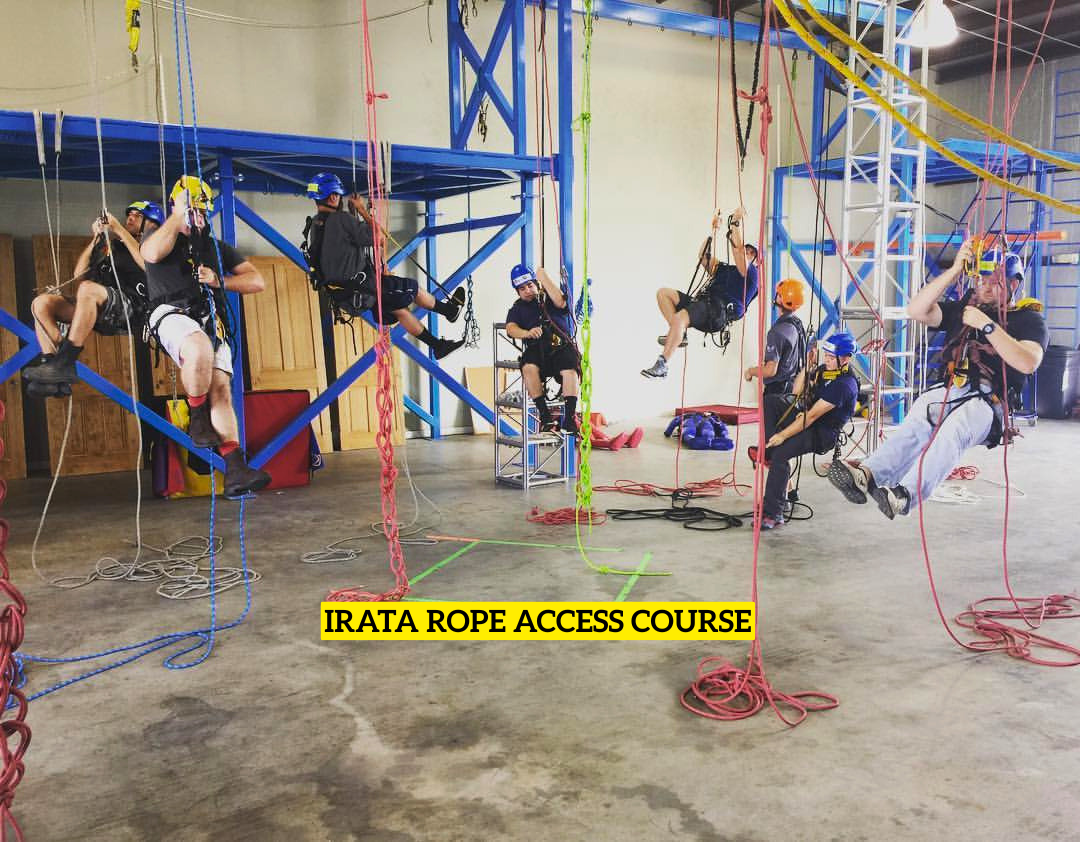
IRATA rope access course is a professional training program that helps individuals learn safe working methods for difficult and high-access environments. It provides practical knowledge about ropes, safety equipment, rescue techniques, and industrial working procedures.
Working at height requires advanced skills, careful planning, and strong safety awareness. Many industries use trained rope access technicians to complete inspections, repairs, maintenance, and installation tasks in places where traditional access methods are difficult. The Industrial Rope Access Trade Association (IRATA) created a recognised training system that prepares workers for these challenging environments.
Introduction to Rope Access
Rope access is a specialised method of reaching difficult locations by using ropes, harnesses, and protective equipment. It allows technicians to safely work on tall buildings, offshore platforms, wind turbines, bridges, towers, and industrial structures.
Unlike traditional methods such as scaffolding or cranes, rope access systems are often quicker to install and require less equipment. This makes them a practical solution for many companies that need safe and efficient access to high areas.
The main purpose of rope access training is to reduce workplace risks. Workers learn how to control their movements, inspect equipment, understand hazards, and respond correctly during emergency situations.
Understanding IRATA Certification
IRATA certification is an internationally recognised qualification created by the Industrial Rope Access Trade Association. It confirms that a technician has completed professional training and passed an assessment based on industry safety standards.
The IRATA rope access course follows a structured system that combines classroom knowledge with practical exercises. Candidates learn about equipment use, rope techniques, rescue methods, and workplace safety.
This certification is respected by many employers because it demonstrates that workers have received proper instruction and understand safe working practices. Companies often choose certified technicians because they can trust their skills and knowledge.
| Details | Information |
|---|---|
| Course Name | IRATA Rope Access Course |
| Full Form | Industrial Rope Access Trade Association Course |
| Category | Professional Safety & Technical Training |
| Purpose | Training for safe working at height using rope access techniques |
| Founded By | Industrial Rope Access Trade Association (IRATA) |
| Training Type | Practical and theoretical rope access training |
| Main Levels | Level 1 (Beginner), Level 2 (Intermediate), Level 3 (Supervisor) |
| Minimum Age Requirement | Usually 18 years or above |
| Skills Learned | Rope movement, equipment handling, rescue techniques, risk assessment, safety procedures |
| Certification Validity | Generally renewed every 3 years |
| Suitable For | Construction workers, engineers, maintenance workers, offshore workers, industrial technicians |
| Industries | Oil & Gas, Wind Energy, Construction, Inspection, Telecommunications, Industrial Maintenance |
| Main Benefit | Internationally recognised qualification for working at height |
| Career Opportunities | Rope Access Technician, Supervisor, Maintenance Specialist, Inspection Technician |
| Training Style | Hands-on practical training with assessment |
| Recognition | Internationally accepted professional certification |
| Safety Focus | High-level workplace safety and emergency rescue skills |
Different Training Levels
The IRATA system includes three main qualification levels. Each level allows technicians to improve their abilities and take on more responsibilities.
Level 1 Technician
Level 1 is the starting point for beginners who want to enter the rope access industry. It introduces basic techniques and safety procedures required for professional work.
During this stage, candidates learn how to use personal protective equipment, move safely on ropes, perform basic transfers, and complete simple rescue exercises.
Level 1 technicians usually work under the supervision of a more experienced professional. This helps new workers gain confidence while developing practical experience.
Level 2 Technician
Level 2 is designed for technicians who already have experience and want to develop advanced skills. This stage focuses on more complex rope systems, advanced movement techniques, and additional rescue procedures.
Workers at this level can handle more challenging tasks and provide support during larger projects. However, they still require guidance from a Level 3 supervisor.
Many technicians choose Level 2 certification because it improves their career opportunities and allows them to work on more specialised assignments.
Level 3 Technician
Level 3 is the highest level of professional qualification. Technicians at this stage are responsible for managing rope access operations and ensuring workplace safety.
A Level 3 professional supervises teams, prepares work plans, checks safety procedures, and manages emergency responses.
They play an important role in maintaining quality standards and protecting workers during complex projects.
Skills Learned During Training
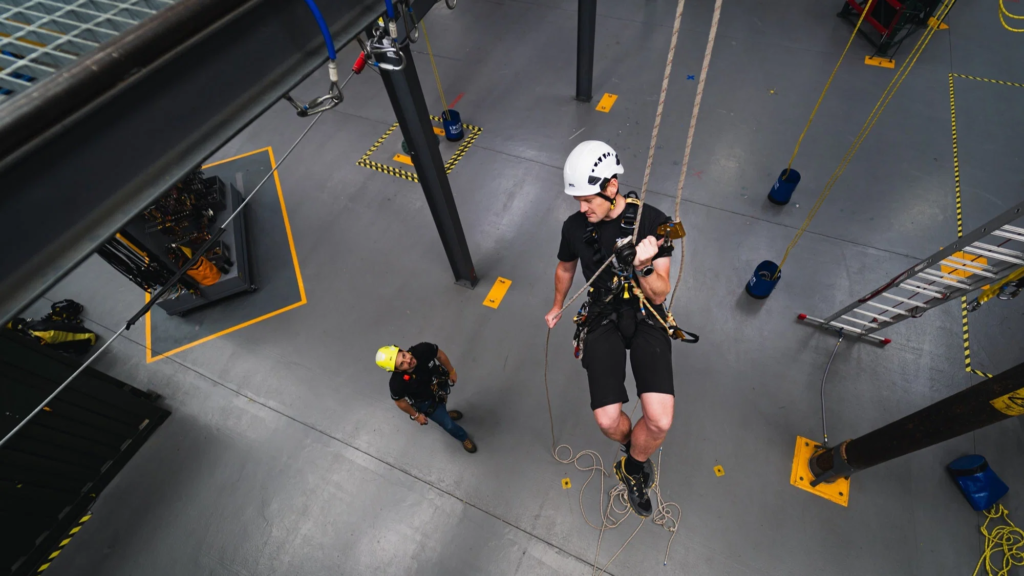
The IRATA rope access course teaches a wide range of technical and safety skills. Candidates learn how to correctly use equipment such as ropes, harnesses, descenders, ascenders, and connectors.
Equipment inspection is an important part of training. Workers must understand how to check their gear before starting any task to ensure it is safe and suitable for use.
Rescue training is another essential area. Technicians learn how to help colleagues during emergencies, including situations where someone becomes injured or unable to move while working at height.
Risk assessment and communication skills are also included because successful rope access work depends on teamwork and careful planning.
Benefits of Professional Training
Completing an IRATA rope access course can create many professional opportunities. The qualification is recognised across different countries, allowing skilled technicians to work in various industries.
One major benefit is improved employment potential. Certified workers can apply for roles in construction, offshore energy, renewable power, inspection services, and industrial maintenance.
Rope access methods can also help companies reduce project costs and save time. Technicians can reach difficult areas without needing large temporary structures, making some operations more efficient.
The training also improves confidence and personal safety. Workers understand how to manage risks and complete tasks with better control.
Industries That Use Rope Access
Many industries depend on trained rope access professionals. The oil and gas sector uses technicians for offshore platform inspection, maintenance, and repair work.
Renewable energy companies require skilled workers for wind turbine inspections, blade repairs, and equipment checks.
In construction, rope access is used for high-rise building maintenance, external repairs, cleaning, and structural inspections.
Other industries include telecommunications, bridge maintenance, industrial plants, and engineering projects where reaching difficult locations is necessary.
Requirements Before Joining
People interested in this career should have good physical fitness, concentration, and a responsible attitude toward safety. Working at height requires confidence and the ability to follow strict procedures.
Most training providers require candidates to be at least 18 years old. Previous experience in construction, climbing, engineering, or maintenance can be useful, but beginners can also start with basic training.
A willingness to learn is important because rope access professionals must continue improving their skills throughout their careers.
Career Development and Future Opportunities
The IRATA rope access course provides a clear pathway for career growth. Technicians can begin at Level 1, gain experience, and progress toward higher qualifications.
Experienced professionals can move into supervisory positions, safety roles, or specialised industrial work. Continuous learning helps technicians stay updated with new equipment and safety practices.
As industries continue to expand, the demand for trained rope access workers remains strong. Renewable energy growth, infrastructure projects, and industrial maintenance requirements continue to create new opportunities.
Conclusion
The IRATA rope access course is a valuable qualification for individuals who want to develop professional skills for working at height. It combines technical knowledge, safety awareness, and rescue training to prepare workers for demanding environments.
With international recognition and strong industry standards, this training provides a reliable career pathway. People who enjoy technical challenges, teamwork, and specialised work can build successful careers through professional rope access certification.
