

Introduction
Dyers Hall London is one of the most fascinating historic buildings in the City of London. While many visitors are familiar with famous landmarks such as St Paul’s Cathedral or the Tower of London, fewer know about this remarkable hall that has played an important role in London’s history for centuries. As the home of the Worshipful Company of Dyers, the building represents a tradition that stretches back to medieval England, when the dyeing of textiles was among the country’s most valuable crafts.
Today, the hall stands as more than a historic meeting place. It reflects London’s rich commercial heritage, impressive architecture, and commitment to preserving traditions that have shaped British history. Although the textile industry has evolved dramatically over the centuries, the importance of Dyers Hall London remains evident through its charitable work, ceremonial functions, and contribution to the cultural life of the City of London.
A Rich Historical Background
The history of Dyers Hall London is closely connected with the Worshipful Company of Dyers, one of the oldest livery companies in the City of London. The organization developed during the medieval period when skilled craftsmen formed guilds to regulate their professions, maintain quality standards, and protect the interests of their members.
The dyeing of cloth was essential to England’s thriving textile trade. High-quality dyed fabrics were valuable commodities both within Britain and across Europe. The Dyers Company helped establish standards that ensured consistency and craftsmanship, contributing significantly to the country’s economic success.
Over the centuries, the company continued to adapt to changing industries while preserving its historic traditions. Its headquarters became a symbol of continuity, linking modern London with its medieval commercial roots.
The Story Behind the Present Hall
Like many historic buildings in London, the current hall is not the first to occupy the site. Earlier halls were rebuilt after suffering damage or becoming structurally unsuitable. The present building was completed during the nineteenth century and reflects the elegant architectural style of that period.
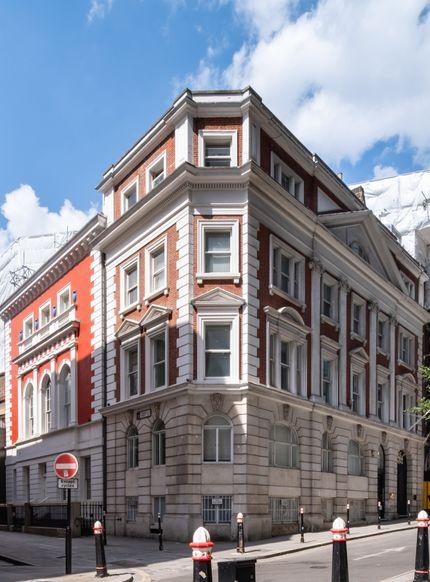
Designed with classical influences, the hall combines traditional brickwork with refined stone detailing. Despite London’s rapid development, it has retained much of its historic character, making it one of the City’s finest surviving livery halls.
Its careful preservation demonstrates London’s commitment to protecting buildings that illustrate the city’s remarkable history and architectural heritage.
Bio Table
| Attribute | Details |
|---|---|
| Name | Dyers Hall London |
| Also Known As | Dyers’ Hall |
| Location | Dowgate Hill, City of London, England |
| Built | 1839–1840 |
| Owner | Worshipful Company of Dyers |
| Organization Founded | 12th Century (Royal Charter granted in 1471) |
| Architectural Style | Classical |
| Building Type | Historic Livery Hall |
| Heritage Status | Grade II* Listed Building |
| Primary Purpose | Headquarters of the Worshipful Company of Dyers |
| Current Use | Ceremonial events, meetings, charitable activities, and private functions |
| Nearby Landmark | Cannon Street, City of London |
| Famous For | Historic architecture, medieval guild heritage, and charitable work |
| Visitor Access | Limited; open for selected events and private functions |
Architectural Beauty
Visitors are often impressed by the graceful appearance of Dyers Hall London. The exterior presents a dignified classical design that blends naturally with the surrounding historic streets of the financial district.
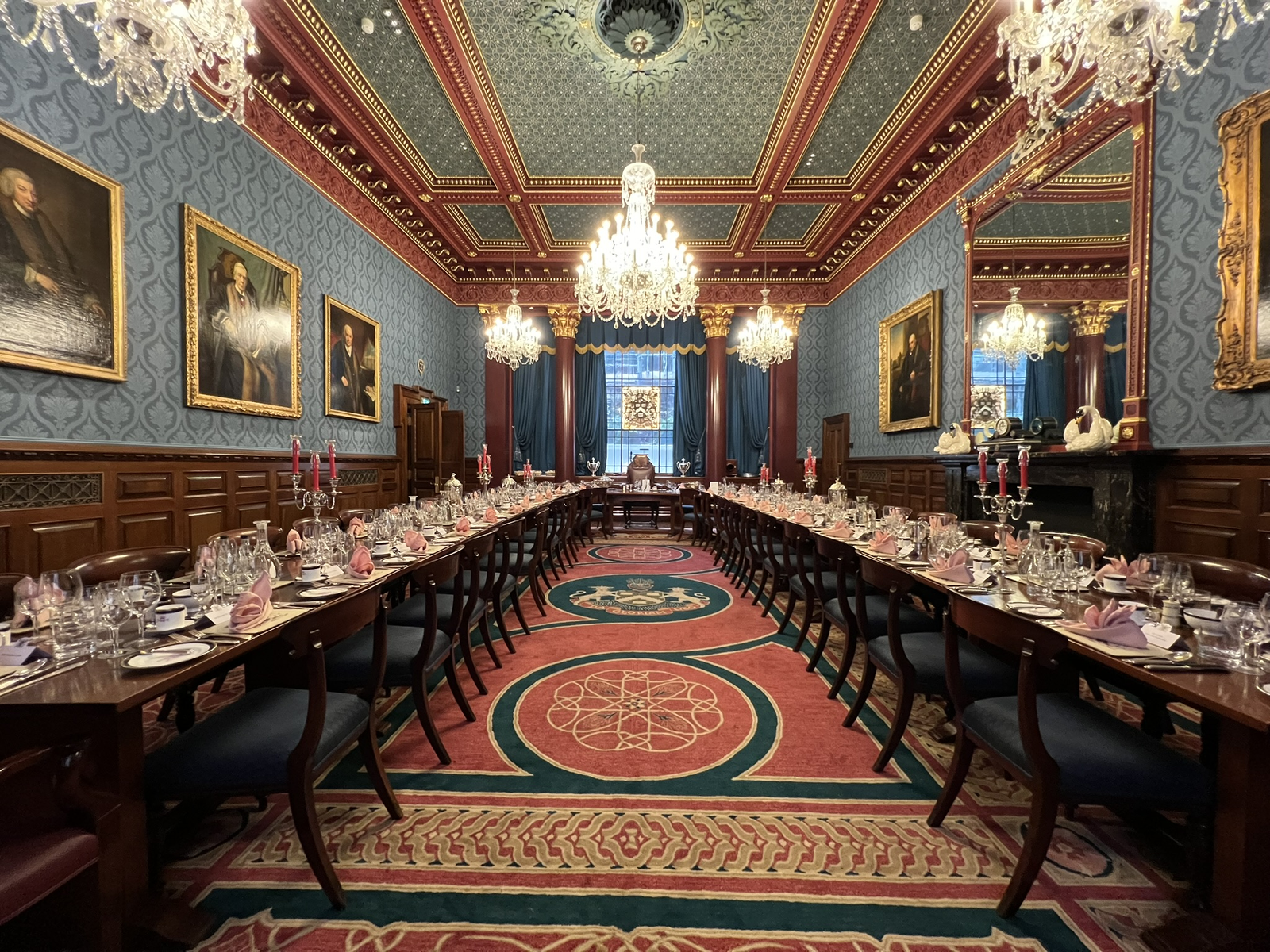
Inside, the hall contains beautifully decorated ceremonial rooms, elegant meeting spaces, and carefully preserved historic features. Fine woodwork, decorative plaster ceilings, traditional furnishings, and impressive portraits reflect the prestige of the Worshipful Company of Dyers.
The building offers an excellent example of nineteenth-century craftsmanship while maintaining the atmosphere of a much older institution whose traditions date back hundreds of years.
The Role of the Worshipful Company of Dyers
Although the original purpose of regulating the dyeing industry has changed over time, the Worshipful Company of Dyers remains an active and respected institution.
Today, its responsibilities focus primarily on charitable giving, educational support, heritage preservation, and civic participation. The company provides financial assistance to educational initiatives, supports various charitable organizations, and participates in traditional ceremonies that continue to play an important role in the life of the City of London.
Its members work to preserve customs that have survived for centuries while supporting projects that benefit modern society.
Cultural Importance
One of the greatest strengths of Dyers Hall London lies in its ability to connect the present with the past. The hall serves as a living reminder of London’s medieval trade guilds and the important role they played in shaping commerce throughout England.
Rather than functioning solely as a museum, the hall remains an active institution where ceremonies, official meetings, and charitable events continue to take place. This ongoing use helps preserve traditions that might otherwise have disappeared over time.
For historians, architects, and visitors interested in British heritage, the hall represents an important chapter in London’s continuing story.
Historic Interiors
The interior spaces of the hall reflect centuries of tradition and careful restoration. The ceremonial rooms are designed to accommodate official gatherings, formal dinners, and important company meetings.
Historic paintings, antique furniture, decorative fireplaces, and traditional architectural details create an atmosphere that celebrates craftsmanship and history. Every room contributes to the character of the building, allowing visitors to appreciate the elegance associated with London’s historic livery companies.
The preservation of these interiors ensures future generations can experience an authentic part of the city’s heritage.
Location in the Heart of London
Situated near Dowgate Hill within the historic City of London, the hall occupies an area rich in history. Its surroundings include many significant landmarks, ancient churches, and streets that have served London’s merchants for centuries.
The location reflects the historical importance of the textile trade within the commercial heart of the capital. Even today, the nearby streets preserve much of the character associated with London’s financial and trading history.
Its central position also makes the hall part of one of the most historically significant districts in the United Kingdom.
Can Visitors Explore the Hall?
Although Dyers Hall London is not generally open for regular public tours, the building occasionally welcomes visitors during heritage events, private functions, and special open days.
The hall continues to serve as a working headquarters rather than a full-time tourist attraction. However, those interested in London’s architectural heritage can still admire its exterior while exploring the surrounding streets of the City of London.
During special heritage events, visitors may have the opportunity to experience the remarkable interiors and learn more about the history of the Worshipful Company of Dyers.
Benefits of Preserving Dyers Hall
Historic buildings like Dyers Hall London offer significant value beyond their architectural beauty. They preserve important chapters of national history, educate future generations, and strengthen cultural identity.
The hall supports educational initiatives, encourages charitable work, protects historic architecture, and maintains traditions that have shaped London’s civic life for centuries. It also contributes to heritage tourism by attracting visitors interested in Britain’s rich historical legacy.
Preservation efforts ensure that future generations can continue learning from one of London’s oldest institutions.
Interesting Historical Facts
Throughout its long history, the hall has witnessed major events in London’s development. Archaeological discoveries beneath the site have revealed evidence of Roman occupation, highlighting the area’s importance long before the present building existed.
The Worshipful Company of Dyers also participates in several historic ceremonies that continue to reflect ancient customs of the City of London. These traditions illustrate how the company has successfully balanced historical preservation with modern charitable activities.
Its long-standing commitment to education, public service, and civic responsibility has helped maintain its respected position within London’s historic institutions.
Why Dyers Hall Still Matters Today
Modern London is a global financial centre filled with contemporary buildings and advanced technology, yet places like Dyers Hall London remind people that the city’s success was built upon centuries of skilled craftsmanship and thriving commerce.
The hall demonstrates that preserving history is not simply about protecting old buildings. It is about maintaining the stories, traditions, and values that continue to influence society today. Through education, charity, and cultural preservation, the Worshipful Company of Dyers remains relevant despite the changing nature of the textile industry.
Its continued presence serves as an example of how historic institutions can successfully adapt while respecting their heritage.
Conclusion
Dyers Hall London stands as an enduring symbol of London’s commercial, architectural, and cultural history. From its origins in the medieval textile trade to its modern role as the home of one of the City’s oldest livery companies, the hall represents centuries of tradition, craftsmanship, and public service.
Its elegant architecture, remarkable history, and ongoing charitable work make it far more than a historic building. It remains a living institution that connects modern London with its medieval past while continuing to contribute to education, heritage preservation, and civic life. For anyone interested in discovering the hidden history of the City of London, Dyers Hall London offers an inspiring glimpse into one of Britain’s most enduring traditions.
FAQs
Q: What is Dyers Hall London?
A: It is the historic headquarters of the Worshipful Company of Dyers in the City of London.
Q: Where is Dyers Hall London located?
A: It is located on Dowgate Hill in the City of London, England.
Q: Can the public visit Dyers Hall London?
A: Yes, but mainly during special events and selected open days.
Q: Why is Dyers Hall London important?
A: It preserves London’s livery company traditions, architecture, and charitable heritage.
Q: When was the current Dyers Hall built?
A: The present hall was completed between 1839 and 1840.
