

Introduction
The NCFE Music Technology qualification is an excellent choice for students who want to explore the technical side of music creation. Rather than focusing only on singing or playing instruments, this course introduces learners to the exciting world of digital music production, recording, editing, sequencing, and sound design. As technology continues to shape the modern music industry, having practical knowledge of music technology has become more valuable than ever.
Designed by NCFE, one of the UK’s leading educational awarding organizations, this qualification provides learners with practical experience alongside theoretical knowledge. It helps students understand how professional music is produced while developing skills that can be used in higher education and future careers. Whether a learner dreams of becoming a music producer, sound engineer, composer, or content creator, NCFE Music Technology offers a strong starting point.
What Is NCFE Music Technology?
NCFE Music Technology is a vocational qualification that teaches students how music is created using modern digital equipment and software. It is aimed primarily at secondary school students in the United Kingdom and provides a balance between creative work and technical understanding.
Instead of concentrating solely on musical performance, the qualification focuses on recording audio, producing digital music, editing sound, and learning how professional studios operate. Students gain practical experience using industry-standard techniques while also learning about the wider music industry.
The qualification is regulated and recognized within the UK education system, making it a valuable pathway for learners who wish to continue studying music, media, or audio production.
Why This Qualification Matters
Technology has transformed almost every aspect of the music industry. Songs are now recorded, edited, mixed, and distributed using digital tools that require technical knowledge as well as creativity.
This qualification helps learners understand these modern production methods from an early stage. Students develop confidence in using music software while improving their creative thinking, listening abilities, and problem-solving skills. These practical experiences prepare them for future academic study and introduce them to real working practices within the creative industries.
For many students, the qualification provides their first opportunity to work with professional recording equipment and Digital Audio Workstations (DAWs).
Bio Table
| Field | Details |
|---|---|
| Course Name | NCFE Music Technology |
| Qualification Type | Vocational Technical Qualification |
| Awarding Organization | NCFE |
| Level | Level 1/2 Technical Award |
| Primary Focus | Music Production, Recording, Audio Editing & Music Technology |
| Suitable For | Secondary School Students (Ages 14–16) |
| Assessment | Practical Coursework & External Assessment |
| Skills Learned | Recording, Mixing, MIDI, Sequencing, Audio Editing, Music Production |
| Progression | Level 3 Courses, T Levels, Apprenticeships, University |
| Career Paths | Music Producer, Sound Engineer, Audio Technician, Media Production, Composer |
What Students Learn
Throughout the course, learners explore a variety of topics that build a solid understanding of music production.
Students learn how digital audio works, how microphones capture sound, and how recordings are edited using specialist software. They also discover how MIDI technology allows electronic instruments and computers to communicate, making it possible to create complete musical arrangements digitally.
Another important area of study is sequencing, where learners arrange musical ideas into complete compositions using computer software. They also gain experience in mixing multiple audio tracks together while balancing volume, equalisation, effects, and overall sound quality.
In addition to technical skills, learners explore the structure of the music industry, including recording studios, music publishing, copyright, and career opportunities.
Practical Learning Experience
One of the strongest features of NCFE Music Technology is its emphasis on practical learning. Rather than relying entirely on written examinations, students complete projects that demonstrate their understanding through real production work.
Learners may record instruments or vocals, edit audio files, create original compositions, and produce finished music using professional workflows. This hands-on approach encourages creativity while developing technical confidence.
Because many tasks mirror genuine studio practices, students gain valuable experience that can later be applied in college, university, or employment.
Software and Equipment
Modern music production depends on digital technology, and students become familiar with many of the tools used by professionals.
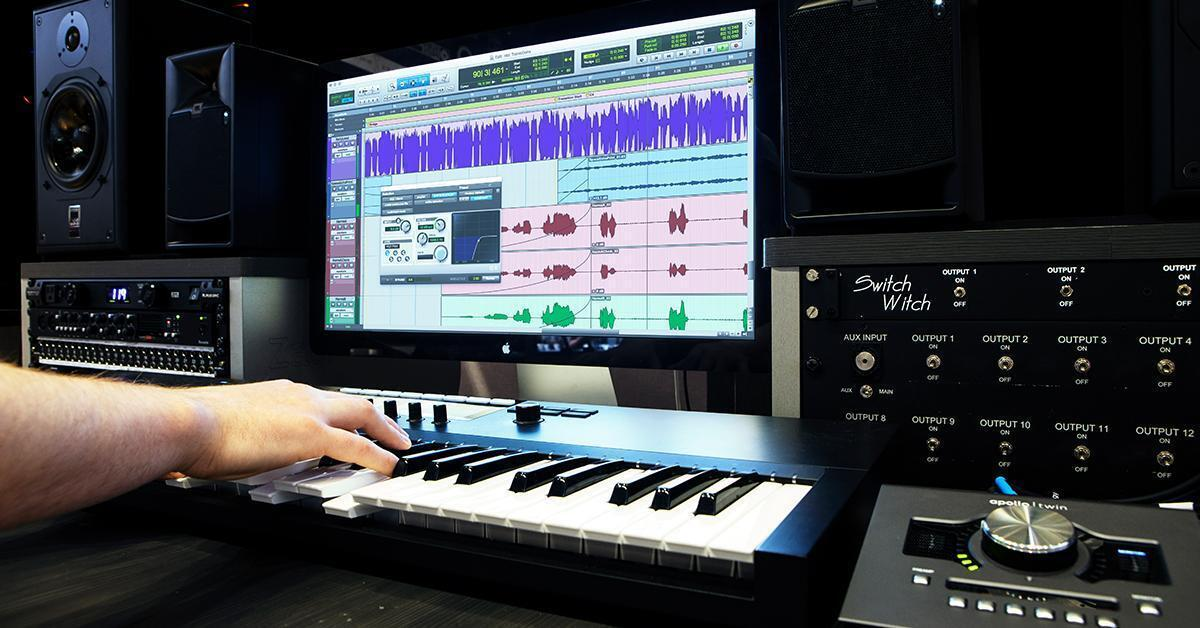
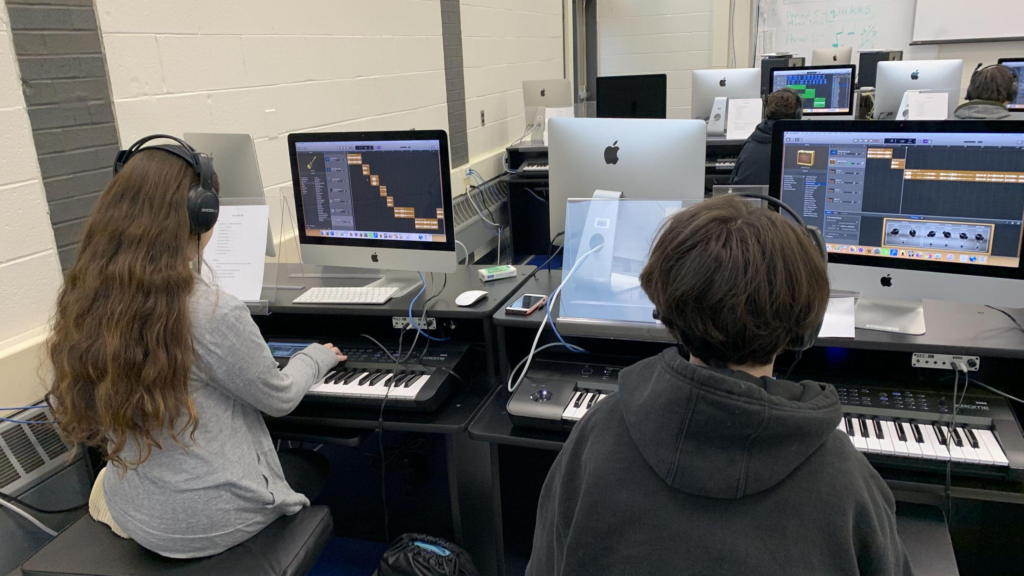
During the qualification, learners often use Digital Audio Workstations such as Logic Pro, Cubase, Ableton Live, Pro Tools, or GarageBand, depending on the resources available in their school or college. They also work with MIDI keyboards, studio microphones, audio interfaces, headphones, monitor speakers, and virtual instruments.
Learning to operate this equipment helps students understand how professional recordings are created from beginning to end.
Skills Developed
The course develops far more than technical knowledge. Students improve their creativity by experimenting with sounds, rhythms, melodies, and recording techniques. They strengthen their listening skills while learning to identify improvements in audio quality and musical arrangements.
Project work encourages careful planning, time management, communication, and independent thinking. Learners also become more confident using computers for creative purposes, an increasingly valuable skill across many industries.
These transferable skills benefit students even if they choose careers outside music production.
Assessment Process
Assessment combines practical coursework with external assessment, allowing students to demonstrate both technical understanding and creative ability.
Coursework normally involves planning, recording, editing, and producing music projects that showcase practical skills. Alongside this, learners complete an assessment that measures their understanding of music technology concepts, production techniques, studio equipment, and industry knowledge.
This balanced assessment structure rewards students who enjoy practical learning while ensuring they understand the theory behind professional music production.
Benefits of Studying NCFE Music Technology
Choosing NCFE Music Technology provides many long-term advantages. Students gain valuable digital production skills that reflect current industry practices while building confidence in using creative software and recording equipment.
The qualification encourages imagination, technical ability, and independent learning. It also introduces learners to teamwork, project management, and problem-solving, all of which are highly valued by employers.
For students considering careers in music, broadcasting, film, gaming, podcast production, or digital media, the qualification creates a solid educational foundation.
Career Opportunities
Completing NCFE Music Technology can open the door to a wide range of creative careers.
Many students continue to Level 3 qualifications, college diplomas, T Levels, apprenticeships, or university degrees in music production, audio engineering, media, or creative technology.
Future career options include music producer, recording engineer, sound technician, live audio engineer, podcast producer, radio production assistant, film sound editor, game audio designer, composer, multimedia creator, and studio assistant. As digital content continues to grow, employers increasingly value people who understand professional audio production.
Who Should Choose This Qualification?
This qualification is ideal for students who enjoy music but are equally interested in technology. Learners who like experimenting with computers, recording sounds, creating digital compositions, or understanding how professional music is produced often find the course highly rewarding.
Previous experience with music technology is not always necessary, making it suitable for beginners who are enthusiastic about learning.
Conclusion
NCFE Music Technology is much more than a school qualification. It introduces learners to the practical and creative skills required in today’s music and media industries while encouraging confidence, creativity, and technical ability. By combining hands-on production work with theoretical understanding, the course prepares students for further education and a variety of exciting careers.
As digital technology continues to shape entertainment, broadcasting, gaming, and online media, the knowledge gained through NCFE Music Technology remains increasingly relevant. For students who want to transform a passion for music into practical skills, this qualification provides an excellent place to begin.
