

Introduction
For generations of walkers, hikers, and lovers of the British countryside, Alfred Wainwright books have represented far more than ordinary guidebooks. They are a remarkable combination of practical walking instructions, hand-drawn maps, personal observations, and beautiful illustrations that continue to inspire readers decades after they were first published. While technology has changed the way people navigate trails today, Wainwright’s work remains an essential companion for anyone exploring England’s breathtaking Lake District.
Written and illustrated entirely by Alfred Wainwright himself, these books reflect his deep passion for the fells and his extraordinary attention to detail. Every page was carefully handwritten, every route personally walked, and every sketch drawn with remarkable precision. The result is a collection of guidebooks that has earned legendary status among outdoor enthusiasts and book collectors alike.
Whether you are planning your first Lake District adventure, expanding your hiking library, or simply appreciating one of Britain’s greatest nature writers, Alfred Wainwright books offer an experience that is as enjoyable to read at home as it is useful on the trail.
Who Was Alfred Wainwright?
Alfred Wainwright was born on 17 January 1907 in Blackburn, Lancashire, England. Although he spent most of his professional life working as an accountant, walking was his lifelong passion. After discovering the Lake District during his younger years, he became fascinated by its mountains, valleys, and landscapes.
Over many years, Wainwright explored every corner of the region, carefully documenting his journeys. Rather than relying on publishers or professional illustrators, he chose to handwrite every page and produce his own detailed maps and pen-and-ink drawings. This personal approach gave his books a unique identity that has never been successfully copied.
He passed away in 1991, but his contribution to outdoor literature remains one of the most influential in British publishing history.
Bio Table
| Field | Details |
|---|---|
| Focus Keyword | alfred wainwright books |
| Article Type | Informative Guide |
| Topic | Books & Walking Guides |
| Author | Editorial Team |
| Published | July 2026 |
| Reading Time | 7–9 Minutes |
| Word Count | 1,000+ Words |
| Primary Audience | Walkers, Hikers, Travelers, Book Collectors, Lake District Visitors |
| Content Purpose | To educate readers about Alfred Wainwright books, their history, benefits, and lasting popularity. |
| Sources | Official Wainwright resources, publishers, and verified public information. |
The Origins of the Famous Guides
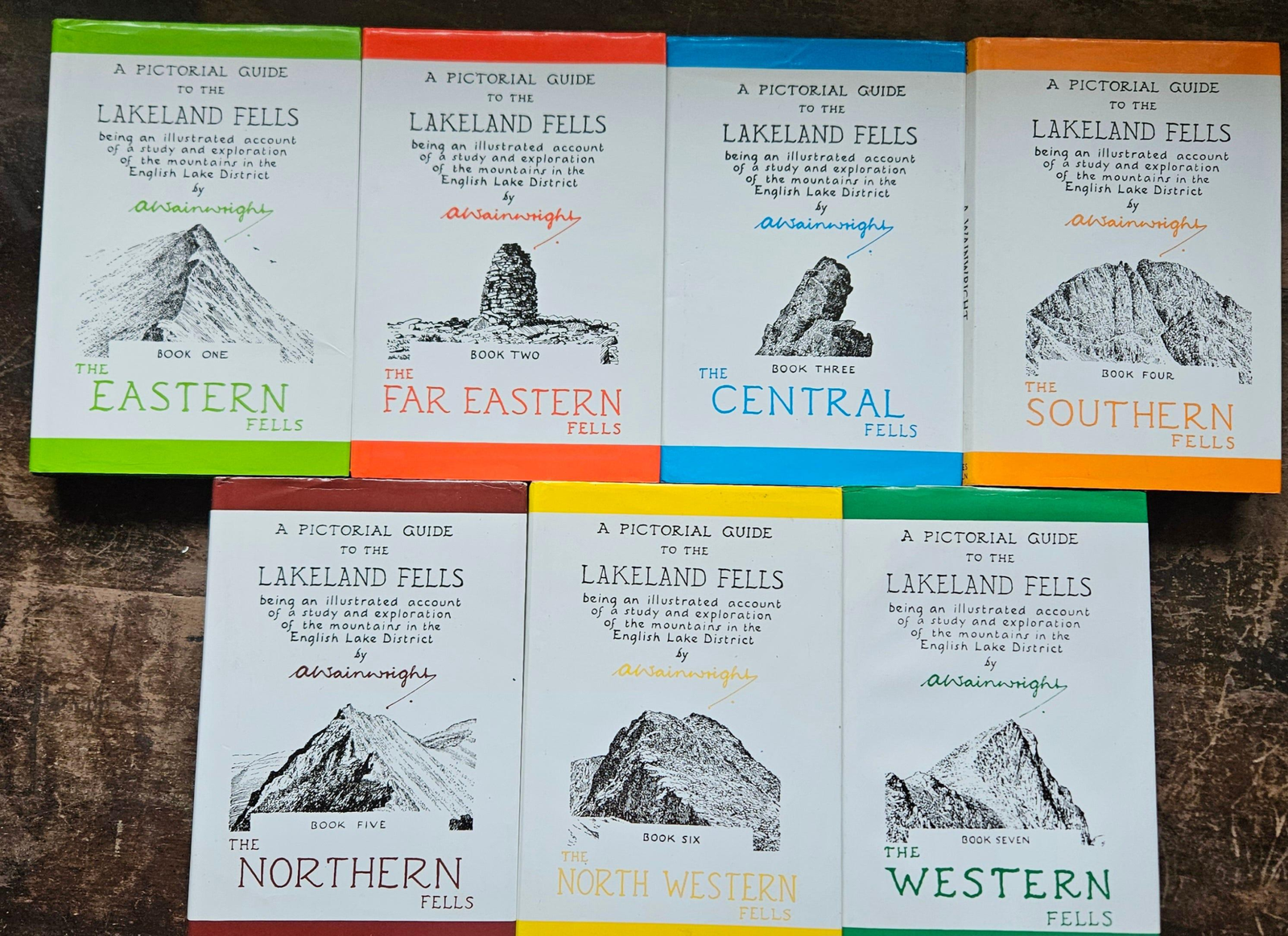
The reputation of Alfred Wainwright books began with the publication of The Eastern Fells in 1955. It was the first volume in what would become the celebrated Pictorial Guide to the Lakeland Fells series.
The complete collection consists of seven books covering every major fell in the Lake District. Instead of simply listing walking routes, Wainwright created an immersive reading experience. His books combined route descriptions with fascinating historical notes, carefully drawn maps, summit sketches, and thoughtful observations about the surrounding landscape.
This innovative format immediately distinguished his work from conventional guidebooks and quickly earned the admiration of walkers throughout Britain.
What Makes These Books Different?
Many walking guides provide maps, directions, and safety advice, but Wainwright’s books offer something much deeper. Every illustration was created by hand, every sentence carefully written in his distinctive handwriting, and every route based on personal experience.
His maps are remarkably accurate despite being drawn without modern digital tools. Instead of relying solely on technical information, he included viewpoints, landmarks, streams, walls, gates, and natural features that help readers understand the landscape as they walk.
Another reason these books remain popular is their personality. Wainwright often shared his opinions, humour, and reflections, giving readers the feeling of walking alongside an experienced friend rather than following a standard guidebook.
The Seven Pictorial Guides
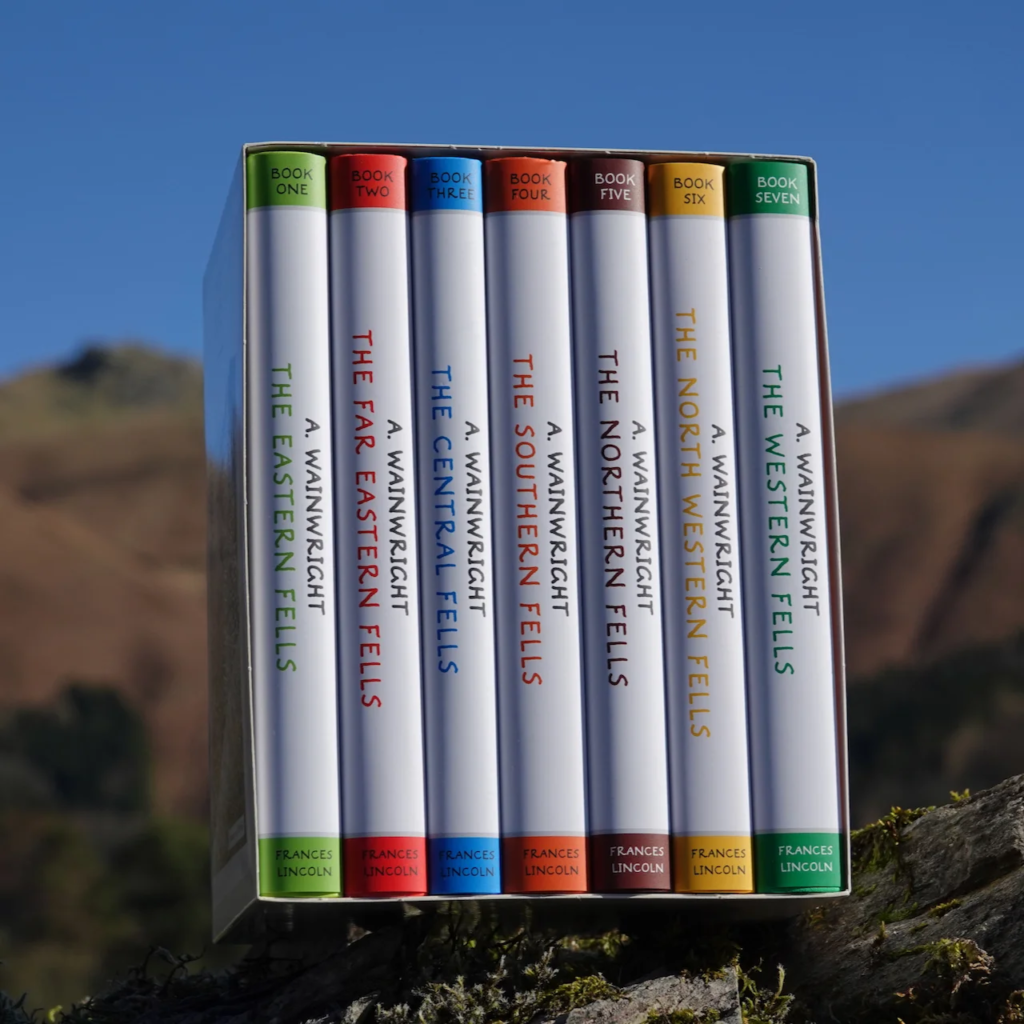
The heart of Alfred Wainwright books is the seven-volume Pictorial Guide to the Lakeland Fells. Together, these books describe all 214 fells that have become known simply as “The Wainwrights.”
The series includes The Eastern Fells, The Far Eastern Fells, The Central Fells, The Southern Fells, The Northern Fells, The North Western Fells, and The Western Fells. Each volume explores a different area of the Lake District while maintaining the same distinctive handwritten style.
Completing all 214 Wainwright fells has become a popular challenge among hikers, with many walkers spending years gradually visiting every summit featured in the books.
Beautiful Artwork That Stands the Test of Time
One of the defining features of these guidebooks is the exceptional quality of the illustrations. Wainwright’s pen-and-ink drawings capture mountain ridges, valleys, villages, lakes, and distant horizons with incredible precision.
Even readers who never intend to hike the routes often enjoy browsing the books simply to admire the artwork. His illustrations preserve the appearance of the Lake District during the mid-twentieth century, creating an important historical record as well as a practical guide.
Unlike photographs, his sketches highlight the features that matter most to walkers, making navigation surprisingly intuitive.
Walking Information That Remains Practical
Although some walking routes have changed over the years due to conservation work, land access improvements, and updated paths, the majority of Wainwright’s observations remain remarkably useful.
Modern editions have been revised where necessary while preserving his original handwriting and artwork. This careful updating allows today’s walkers to benefit from accurate route information without losing the character that made the books famous.
Readers often comment that following Wainwright’s descriptions feels natural because he explains landscapes rather than simply listing distances or compass bearings.
Why Collectors Value the Books
Collectors have long regarded Alfred Wainwright books as some of the most desirable titles in outdoor publishing. Early editions, complete boxed sets, and well-preserved hardbacks are especially sought after.
The release of anniversary editions has introduced new generations of readers to Wainwright’s work while also celebrating the lasting impact of his contribution to British walking culture. These beautifully produced editions combine the original artwork with high-quality printing, making them ideal gifts for hikers and book lovers alike.
For many collectors, owning the complete series is both a practical investment and a tribute to one of Britain’s greatest landscape authors.
The Lasting Influence of Wainwright
The influence of Alfred Wainwright extends well beyond publishing. His books inspired thousands of people to discover the Lake District, appreciate its natural beauty, and develop a lifelong love of walking.
Today, walking clubs, charities, outdoor organisations, and travel companies continue to celebrate his legacy. Completing every Wainwright fell has become an achievement recognised by hikers across the United Kingdom and beyond.
Even in an era dominated by GPS devices and smartphone navigation apps, countless walkers still carry Wainwright’s guides in their backpacks because they offer something technology cannot replace—a personal connection with the landscape through the eyes of someone who truly loved it.
Conclusion
More than seventy years after the publication of the first guide, Alfred Wainwright books continue to occupy a special place in outdoor literature. Their handwritten pages, carefully drawn maps, timeless artwork, and thoughtful commentary have ensured that they remain relevant for both experienced hikers and first-time visitors to the Lake District.
Whether you are searching for reliable walking guidance, collecting classic travel books, or simply enjoying beautifully illustrated writing, these guides deliver an experience unlike any other. They remind readers that walking is not only about reaching a destination but also about understanding, appreciating, and preserving the remarkable landscapes that surround us.
For anyone with an interest in Britain’s countryside, Alfred Wainwright books remain an essential addition to every bookshelf and a lasting tribute to one man’s extraordinary passion for the Lake District.
FAQs
Q: What are Alfred Wainwright books?
A: They are classic walking guidebooks covering the Lake District in England.
Q: How many Wainwright guidebooks are there?
A: The original Pictorial Guide to the Lakeland Fells series has seven volumes.
Q: Are Alfred Wainwright books still useful today?
A: Yes, updated editions remain popular with walkers and hikers.
Q: Why are Wainwright books so famous?
A: They feature handwritten text, detailed maps, and beautiful illustrations based on personal exploration.
Q: Who should read Alfred Wainwright books?
A: They are ideal for hikers, Lake District visitors, outdoor enthusiasts, and book collectors.
