


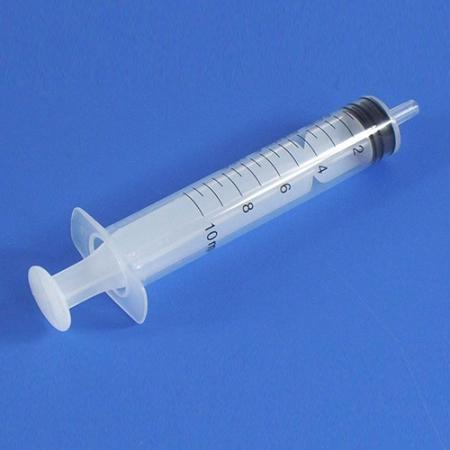
A luer slip syringe is one of the most widely used medical devices in healthcare, laboratories, veterinary medicine, and pharmaceutical industries. Designed with a simple push-fit connection, it allows healthcare professionals to attach compatible needles quickly and efficiently. While it may appear to be a basic instrument, this type of syringe plays an important role in medication delivery, specimen collection, laboratory testing, and many other routine procedures.
Its ease of use, affordability, and compatibility with standard needles have made it a preferred option for millions of procedures performed every day. Whether used by nurses, laboratory technicians, researchers, or veterinarians, the syringe offers reliable performance when used correctly.
This guide explains everything you need to know about the luer slip syringe, including its design, working principle, advantages, limitations, applications, available sizes, and tips for choosing the right one.
Introduction
Medical syringes have evolved considerably over the years to improve safety, accuracy, and convenience. Among the different connection systems available today, the luer slip design remains one of the simplest and most practical.
Unlike locking syringes that require twisting the needle into place, a luer slip model uses a smooth tapered tip. The needle is attached simply by pushing it onto the syringe nozzle until it fits securely. This straightforward design saves time during routine medical procedures and makes the syringe easy to use even in busy clinical environments.
Disposable models are manufactured under strict quality standards and are sterilized before packaging. Most are intended for single use, helping reduce the risk of contamination and infection.
What Is a Luer Slip Syringe?
A luer slip syringe is a syringe fitted with a tapered connector that allows compatible needles or medical accessories to be attached through friction rather than a threaded locking mechanism.
The connection follows the internationally recognized Luer taper standard, ensuring compatibility with many medical devices produced by different manufacturers. Once the needle is pushed firmly onto the tip, it remains attached during normal procedures.
Because of its simple construction, this syringe is commonly selected for routine injections, liquid transfers, laboratory work, irrigation, and medication preparation where excessive injection pressure is not expected.
Bio Table
| Attribute | Details |
|---|---|
| Product Name | Luer Slip Syringe |
| Category | Medical Equipment |
| Device Type | Disposable Syringe |
| Connection Type | Luer Slip (Push-Fit) |
| Primary Material | Medical-Grade Polypropylene |
| Available Sizes | 1 mL, 2 mL, 3 mL, 5 mL, 10 mL, 20 mL, 30 mL, 50 mL, 60 mL |
| Common Uses | Medication Delivery, Laboratory Testing, Liquid Transfer, Irrigation |
| Compatible With | Standard Luer Slip Needles and Medical Accessories |
| Sterility | Available in Sterile and Non-Sterile Options |
| Intended Use | Single-Use (Disposable) |
| Industries | Healthcare, Pharmaceutical, Laboratory, Veterinary, Research |
| Key Benefits | Easy to Use, Cost-Effective, Accurate, Lightweight, Reliable |
How It Works
The operating principle of a syringe is straightforward but highly effective. Pulling back the plunger creates negative pressure inside the barrel, allowing liquid to enter through the attached needle or catheter. When the plunger is pushed forward, positive pressure forces the liquid back through the needle.
The smooth tapered connector forms a tight friction fit between the syringe and the needle hub. Although secure enough for many standard procedures, it is not designed for applications involving high injection pressures or frequent twisting of the needle.
Graduated markings printed on the barrel allow users to measure liquids accurately, making the syringe suitable for precise medication dosing and laboratory applications.
Main Components
Every syringe contains several carefully engineered parts that work together to ensure accurate fluid handling.
The barrel is the transparent cylinder that holds the medication or sample. Graduation markings printed on its surface enable precise volume measurement.
Inside the barrel is the plunger, which moves smoothly to draw in or expel liquids. A rubber gasket attached to the end of the plunger helps create an airtight seal that prevents leakage during operation.
At the front is the slip-tip connector, where compatible needles or tubing are attached. Most sterile syringes are supplied with a protective cap that maintains cleanliness until use.
Materials Used
Modern disposable syringes are manufactured using high-quality medical-grade materials that provide durability while remaining lightweight.
The barrel and plunger are typically made from medical-grade polypropylene, a transparent plastic that offers excellent chemical resistance and allows clear visibility of the liquid inside.
The plunger seal is usually manufactured from synthetic rubber to provide smooth movement and prevent fluid leakage. When supplied with a needle, it is commonly made from stainless steel to maintain sharpness and resist corrosion.
These materials comply with strict medical manufacturing standards and are designed for safe, single-use applications.
Common Applications
Healthcare facilities rely on these syringes for a wide range of routine medical procedures. They are frequently used for administering medications, preparing injections, flushing medical tubing, and transferring sterile solutions.
Clinical laboratories use them to measure and transfer reagents, prepare samples, and handle small volumes of liquids with precision.
Veterinary professionals also depend on them for vaccinations, medication administration, and diagnostic procedures involving animals.
Pharmaceutical manufacturers employ these syringes during product development, quality control, and research activities where accurate liquid handling is essential.
Educational institutions and research laboratories regularly use them for demonstrations, scientific experiments, and analytical testing.
Available Sizes
Manufacturers produce syringes in numerous capacities to accommodate different medical and laboratory requirements.
Small sizes such as 1 mL, 2 mL, and 3 mL are commonly chosen for precise dosing and vaccinations. Medium capacities, including 5 mL and 10 mL, are widely used for medication preparation and general clinical procedures.
Larger options, such as 20 mL, 30 mL, 50 mL, and 60 mL, are suitable for irrigation, fluid transfer, laboratory work, and other applications requiring greater liquid volumes.
Selecting the appropriate size improves dosing accuracy while reducing unnecessary waste.
Benefits
One of the greatest advantages of the luer slip syringe is its simplicity. The push-fit connection enables quick needle attachment without the additional step of twisting a locking mechanism into place.
Its lightweight design provides comfortable handling during repeated procedures, helping reduce user fatigue in busy healthcare environments.
Disposable models contribute to improved infection control by minimizing the risk of cross-contamination between patients.
Because the design contains fewer components than locking systems, manufacturing costs are generally lower, making these syringes an economical choice for hospitals, clinics, and laboratories.
Compatibility with standardized medical accessories further increases their versatility across different healthcare settings.
Limitations
Although highly effective for routine procedures, this syringe is not suitable for every clinical situation.
Since the needle relies on friction rather than threads, excessive pressure or sudden movement may cause accidental disconnection if not properly secured.
Procedures involving thick solutions, high-pressure injections, or specialized equipment often require a luer lock syringe instead, as its threaded connection provides greater security.
Users should always select the syringe type that best matches the intended procedure.
Luer Slip vs. Luer Lock
Both syringe designs perform the same basic function, but their connection methods differ significantly.
A luer slip model allows rapid attachment by pushing the needle directly onto the tapered tip. This makes it convenient for routine procedures where speed and simplicity are priorities.
A luer lock syringe, however, includes threaded fittings that require the needle to be twisted into place. Although slightly slower to assemble, it offers a much stronger connection and is preferred for procedures involving higher pressure or critical medication delivery.
Understanding these differences helps healthcare professionals choose the safest option for each application.
Safety Considerations
Proper handling is essential to ensure both patient safety and accurate performance.
Users should always inspect the sterile packaging before opening the syringe. Any damaged or compromised packaging should never be used.
The needle should be fully seated on the slip tip before drawing or administering medication. During use, unnecessary side pressure on the needle should be avoided to reduce the possibility of accidental separation.
Disposable syringes are designed for one-time use only and should never be reused. After the procedure, the syringe and needle must be discarded immediately in an approved sharps disposal container.
Following established infection-control guidelines protects both healthcare workers and patients.
How to Choose the Right Syringe
Selecting the appropriate syringe depends on several practical considerations.
The required medication volume should determine the barrel capacity, while the clinical procedure influences whether a slip or locking connection is more appropriate.
Healthcare facilities should also consider needle compatibility, sterility requirements, regulatory certifications, and overall product quality.
Purchasing syringes from reputable manufacturers helps ensure consistent performance, accurate graduations, and compliance with international medical standards.
Storage and Handling
Proper storage preserves product quality until the syringe is needed.
Sterile syringes should remain in their original sealed packaging until immediately before use. They should be stored in a cool, dry location away from direct sunlight, excessive humidity, and extreme temperatures.
Users should also verify expiration dates before opening any sterile medical device and avoid using products with damaged packaging.
Maintaining appropriate storage conditions helps preserve sterility and ensures reliable performance during clinical procedures.
Conclusion
The luer slip syringe remains one of the most practical and widely used medical devices in modern healthcare. Its simple push-fit design, affordability, ease of handling, and compatibility with standardized medical equipment make it suitable for countless routine procedures in hospitals, clinics, laboratories, veterinary practices, and research facilities.
Although it does not provide the same level of connection security as a luer lock syringe, it performs exceptionally well in low-pressure applications where quick assembly and efficient workflow are important. When selected appropriately and used according to recommended safety practices, it delivers reliable, accurate, and convenient fluid handling for healthcare professionals around the world.
