

The Mercers Company is one of the oldest and most respected institutions in the United Kingdom. With a history that stretches back more than seven centuries, it has witnessed the rise and fall of monarchs, the growth of London as a global city, and the transformation of commerce from medieval markets to the modern economy. Although it originally began as a guild for merchants trading luxury fabrics, the organization has evolved into one of Britain’s leading charitable institutions.
Today, the company is widely recognized not for commercial activities but for its commitment to education, social welfare, heritage preservation, and community development. Through careful stewardship of historic assets and long-term investment, it continues to support hundreds of charitable initiatives while preserving traditions that date back to the Middle Ages.
This article explores the history, purpose, charitable work, governance, headquarters, membership, and lasting influence of the Mercers Company, offering a complete overview of one of London’s most remarkable historic organizations.
The Origins of the Mercers Company
The story of the Mercers Company begins during medieval England, when merchants dealing in fine textiles established an association to protect their profession. The word “Mercer” comes from the Old French term mercerie, referring to merchants who traded valuable fabrics, silks, velvets, and luxury goods imported from across Europe and beyond.
As London’s economy expanded during the 12th and 13th centuries, merchant guilds became increasingly important. They regulated trade, maintained quality standards, settled disputes among members, and provided financial support during difficult times. The Mercers eventually became one of the most influential guilds in the City of London because many of its members were among the wealthiest merchants of the era.
The organization received its Royal Charter in 1394, formally recognizing its legal status. Since then, it has remained one of the Great Twelve Livery Companies that continue to represent London’s rich civic heritage.
From Trading Guild to Charitable Institution
Like many historic guilds, the company’s role gradually changed as England’s economy modernized. Commercial regulation became less necessary, while philanthropy and public service became increasingly important.
Generous donations from successful members allowed the organization to build substantial financial resources over several centuries. Instead of focusing on trade regulation, it began supporting schools, churches, hospitals, educational foundations, and community projects.
Today, charitable giving forms the heart of its mission. Income generated from investments and property ownership funds grants that benefit thousands of people every year. This transformation illustrates how a medieval organization successfully adapted to meet the changing needs of society without losing its historic identity.
Mercers’ Hall: The Heart of the Organization
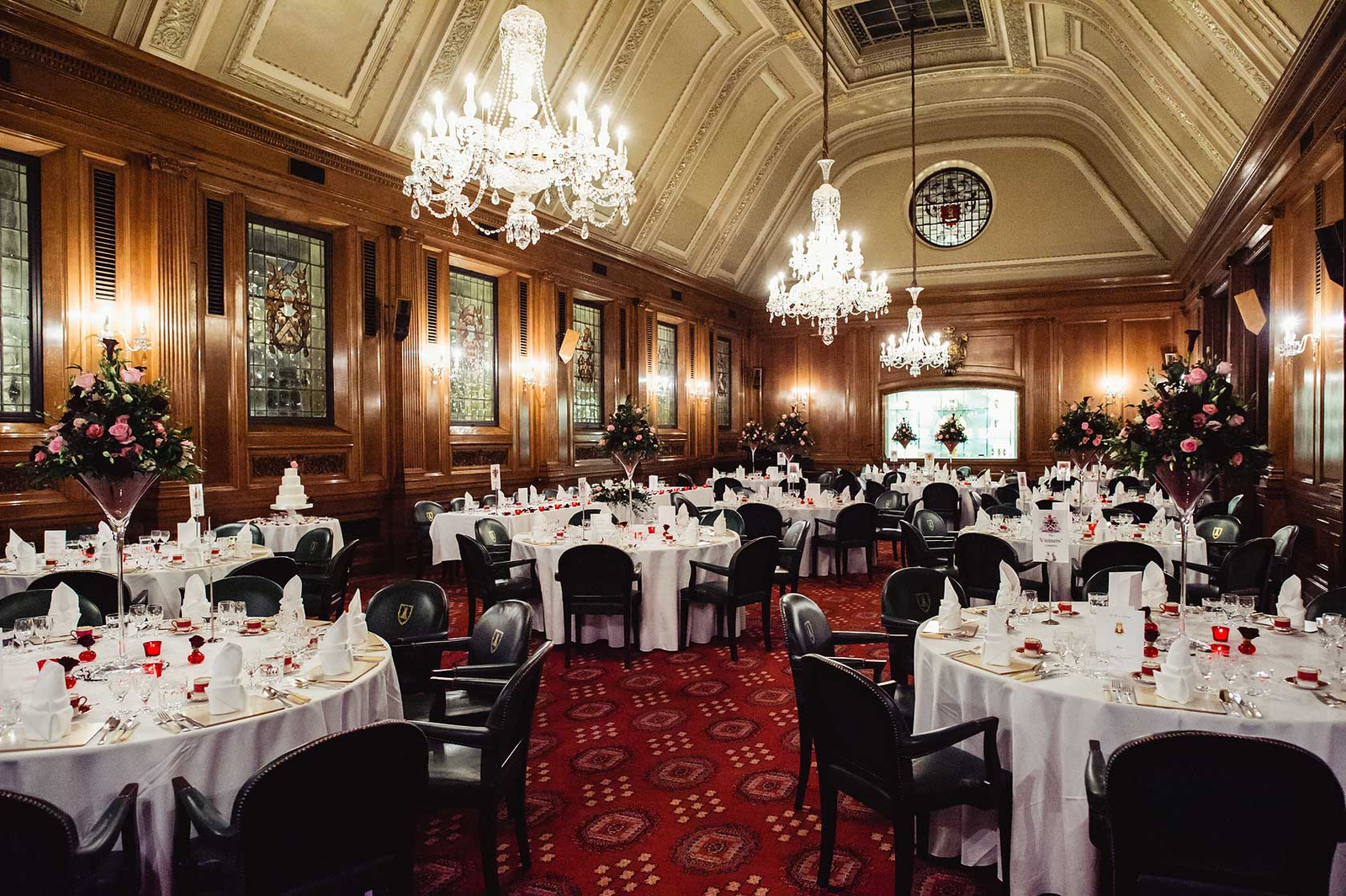
The headquarters of the company is Mercers’ Hall, located in the City of London. Although the building has been rebuilt several times throughout history due to fires and wartime destruction, it remains one of the finest examples of traditional livery company architecture.
The current hall combines historical elegance with modern facilities. Visitors are welcomed into beautifully decorated reception rooms featuring impressive artwork, historic portraits, stained glass, and carefully preserved interiors that reflect centuries of British craftsmanship.
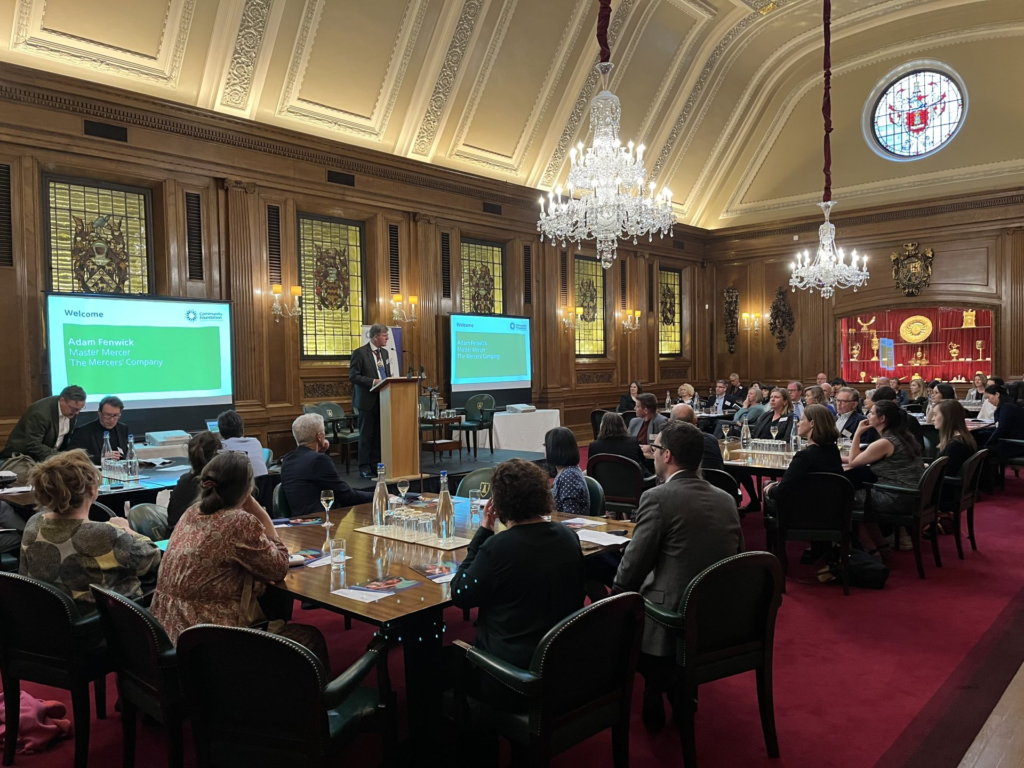
Beyond serving as an administrative center, Mercers’ Hall hosts formal ceremonies, charitable events, educational gatherings, conferences, and community functions. It continues to symbolize both the history and the ongoing public service of the organization.
A Mission Built on Charity
Modern charitable work is the defining purpose of the company. Rather than supporting commercial interests, it now invests significant resources into projects that improve lives across England.
Education remains one of its largest priorities. Grants support schools, universities, scholarship programs, educational charities, and initiatives designed to help young people develop their skills and confidence.
The organization also funds housing projects for older people, contributes to healthcare-related charities, supports churches, preserves historic buildings, and invests in arts and cultural programs. These activities demonstrate a long-standing commitment to strengthening communities while ensuring charitable funds create meaningful and lasting impact.
Education and Young People
Education has always occupied a central place in the organization’s charitable activities. For generations, it has helped establish and support schools that continue serving students today.
Its funding enables educational institutions to improve learning environments, provide scholarships, and create opportunities for children from diverse backgrounds. Many educational partnerships focus on helping young people achieve their full potential regardless of financial circumstances.
Rather than offering only financial assistance, the company often works alongside educational organizations to encourage long-term development and innovation in teaching.
Supporting Communities
Community development extends far beyond education. The company provides grants to charities working with vulnerable individuals, families experiencing hardship, older adults, and organizations addressing social challenges.
These grants help charities expand services, improve facilities, and reach more people who require assistance. Instead of focusing on short-term solutions, funding often encourages sustainable projects capable of creating long-lasting positive change.
This commitment reflects the organization’s belief that strong communities depend on cooperation, opportunity, and responsible stewardship.
Protecting Heritage and Culture
Historic preservation is another significant aspect of its work. Britain possesses an extraordinary architectural and cultural heritage, and maintaining these assets requires continuous investment.
The company contributes to restoration projects, historic churches, archives, museums, and cultural initiatives that protect important parts of the nation’s history. By supporting conservation efforts, it helps ensure future generations can appreciate landmarks, artwork, historical records, and traditional craftsmanship.
Its own archives also preserve centuries of documents that provide valuable insights into London’s commercial and social history.
How the Organization Is Governed
Strong governance has been one reason for the company’s longevity. Leadership is provided through a traditional structure headed by the Master, supported by Wardens and the Court of Assistants.
These individuals oversee charitable strategy, property management, investment decisions, financial planning, and long-term governance. Professional staff assist with daily operations while maintaining transparency and accountability.
Although many traditions remain unchanged, modern governance practices ensure that charitable funds are managed responsibly and effectively for public benefit.
Property and Financial Stewardship
Over hundreds of years, donations, land acquisitions, and investments have created a substantial property portfolio. Income generated through these assets allows charitable activities to continue without relying solely on annual fundraising.
Professional investment management ensures financial stability while balancing historic preservation with modern economic realities. This careful stewardship allows the organization to support charitable work both today and for future generations.
Its long-term approach demonstrates how responsible financial management can sustain philanthropy across centuries.
Membership and Tradition
Membership remains highly respected and reflects the company’s historic traditions. Individuals are typically invited because of professional achievement, public service, philanthropy, or longstanding family connections.
Members participate in charitable activities, ceremonial events, governance, and the preservation of traditions that have survived for hundreds of years. Formal ceremonies, traditional dress, historic customs, and civic responsibilities continue to play an important role in maintaining the unique identity of the organization.
Despite its ancient origins, membership increasingly reflects the diversity and professionalism of modern British society.
Influence Beyond London
Although deeply connected to the City of London, the influence of the company reaches far beyond the capital.
Its charitable grants support projects throughout England, benefiting schools, universities, churches, community organizations, cultural institutions, and housing initiatives. Partnerships with educational charities and national organizations ensure that funding reaches communities where it can have the greatest impact.
This nationwide reach demonstrates that the organization’s mission extends well beyond its historic headquarters.
Interesting Facts
The company holds the highest rank among the Great Twelve Livery Companies of the City of London. Its origins date back to the medieval period, making it one of Britain’s oldest continuously operating institutions. The Royal Charter granted in 1394 confirmed its legal status, while centuries of philanthropy have established a reputation for responsible charitable leadership.
Mercers’ Hall has been rebuilt multiple times following major historical events, including the Great Fire of London and wartime bombing during the Second World War. Today it remains one of London’s most distinguished ceremonial buildings.
Although many people associate historic guilds with commerce, the modern organization focuses almost entirely on charitable work rather than trade regulation.
Biography Table
| Information | Details |
|---|---|
| Organization Name | Mercers’ Company |
| Official Name | Worshipful Company of Mercers |
| Founded | Origins in the 12th century |
| Royal Charter | 1394 |
| Headquarters | Mercers’ Hall, City of London, England |
| Industry | Charity and Philanthropy |
| Purpose | Education, community support, heritage preservation |
| Current Role | Charitable organization and livery company |
| Founder | Medieval mercantile guild members |
| Status | Active |
| Official Website | https://www.mercers.co.uk |
Age, Height, Family, Net Worth, Physical Appearance, and Social Media
Many readers search for personal details such as age, height, family, net worth, physical appearance, and social media. However, it is important to understand that the Mercers Company is an organization rather than an individual. Because of this, such personal information does not apply.
Instead:
- Age: More than 700 years of recorded history.
- Height: Not applicable.
- Family: Not applicable.
- Net Worth: The organization does not publicly disclose an overall net worth, although it manages significant charitable assets and property holdings.
- Physical Appearance: Represented by the historic Mercers’ Hall and the company’s traditional heraldic coat of arms.
- Social Media: The organization maintains an official online presence through its website and selected professional social media channels where it shares charitable activities, news, and events.
Conclusion
The Mercers Company stands as one of Britain’s most remarkable historical institutions. From its beginnings as a medieval guild of textile merchants to its modern role as a leading charitable organization, it has continually evolved while preserving centuries of tradition.
Its commitment to education, heritage, community development, housing, and philanthropy has allowed it to remain relevant in every generation. Rather than simply preserving history, the organization actively invests in the future by supporting projects that improve lives across England.
More than seven hundred years after its foundation, the Mercers Company continues to demonstrate how historic institutions can combine tradition, responsible governance, and charitable purpose to make a lasting contribution to society.
