

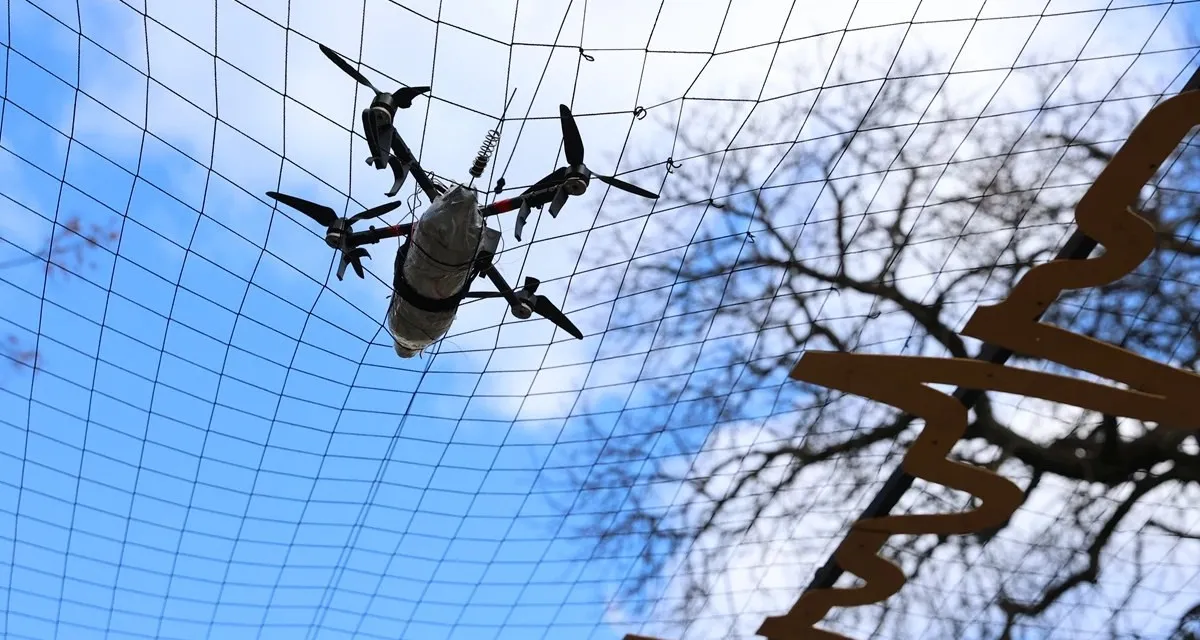
Drones have transformed surveillance, logistics, and warfare, but they have also created a new layer of risk for airports, power stations, military bases, and public events. One practical response is anti drone netting, a physical barrier that can stop or slow small aircraft before they reach a target. Unlike electronic countermeasures, nets do not depend on signals, software, or power, which makes them useful in contested environments.
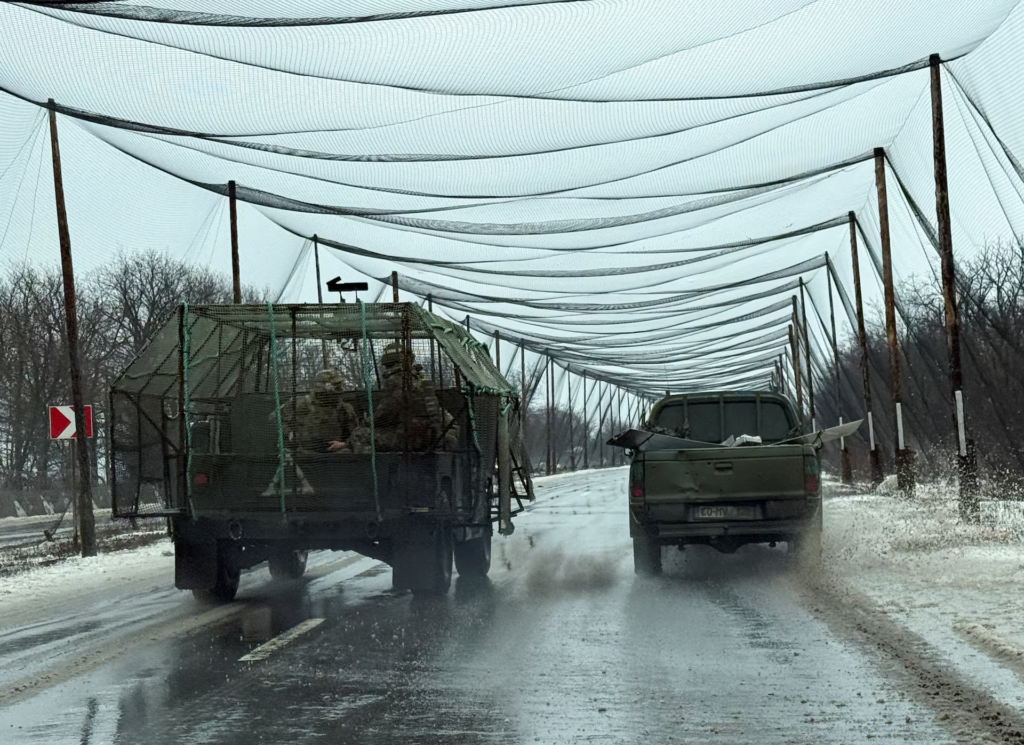
Recent conflict reporting has shown how valuable this approach can be. Reuters has described long net covered corridors in Ukraine that protect roads, vehicles, and frontline positions from first person view drone attacks. These installations show that a simple mesh can still matter when attackers use cheap, fast, and difficult to jam drones. The idea is not to replace advanced defense systems, but to add another layer that forces hostile drones to fail earlier.
Anti Drone Netting Profile
Anti drone netting is not a person, so age, family, height, and social media do not apply. It is a security product made by defense and industrial suppliers, usually from synthetic fiber, nylon, polyethylene, or steel cable, depending on the mission. It has no age, family, or online presence, but its value comes from practical deployment, not personality. In modern defense planning, it is treated as infrastructure, much like fencing, barriers, or blast walls, rather than as a standalone weapon that supports other systems and improves survivability overall.
What Is Anti Drone Netting?
It works by creating a barrier that drones cannot easily cross. When a small aircraft hits the mesh, its propellers may tangle, its frame may break, or its payload may detonate away from the target. Because the system is passive, it can keep working during jamming, power loss, or other electronic disruption.
Why This Technology Has Become Important
Demand has grown because drones are cheap, numerous, and increasingly capable. Some models carry cameras, sensors, or explosives, while others fly low and fast enough to evade traditional defenses. Fiber optic controlled FPV drones are especially difficult to jam because they use a cable instead of radio signals. That has pushed defenders toward physical protection as well as electronic tools.
How Anti Drone Netting Works
Installations are stretched above roads, buildings, trenches, or equipment. The openings are sized to block common drone shapes while still allowing visibility and airflow. If a drone collides with the mesh, it may lose lift, spin out, or crash before reaching the protected area. In some cases, the net also triggers an early explosion.
Where Anti Drone Netting Is Used
Military bases use it to shield command posts, ammunition stores, and vehicles. Airports, power substations, oil depots, warehouses, and stadiums can also benefit when drone activity poses a safety risk. In Ukraine, Reuters has reported net covered corridors over roads and supply routes, showing how the method is being adapted for frontline defense.
Materials Used in Construction
Material choice depends on strength, weight, weather, and cost. High density polyethylene and nylon are common because they are light and durable. More demanding sites may use reinforced synthetic fibers or steel cable for extra resistance. Designers also consider ultraviolet exposure, moisture, and long term wear before installation.
Advantages of Physical Drone Nets
The main advantage is simplicity. Nets require little power, continue working during outages, and are harder to defeat with electronic interference. They can also be cheaper than radar or interceptor systems, especially when large areas need coverage. Most operators use them as one layer in a broader defense plan.
Limitations and Challenges
Even so, nets are not perfect. Gaps, poor maintenance, or weak installation can reduce effectiveness. Attackers may also adapt by sending one drone to tear a net and another to follow through the opening. Because of that, physical barriers work best when paired with sensors, cameras, and rapid response teams.
The Future of Drone Protection
Future systems will likely combine artificial intelligence, radar, optical tracking, interceptor drones, electronic warfare, and physical barriers. Researchers are also developing lighter materials and modular designs that can be deployed faster in different environments. As drones become faster and smarter, layered protection will remain the most practical approach.
Final Thoughts
Anti drone netting proves that simple tools still matter in modern security. It does not replace advanced systems, but it gives defenders a dependable passive shield against many small drones. For governments, businesses, and infrastructure operators, the best answer is usually a mix of detection, electronic countermeasures, and physical barriers.
FAQs
Q: What is anti drone netting?
A: Anti drone netting is a strong protective mesh designed to stop or trap unauthorized drones before they reach sensitive areas.
Q: Where is anti drone netting commonly used?
A: Anti drone netting is used at military bases, airports, power stations, industrial sites, and other critical infrastructure.
Q: Can anti drone netting stop every drone?
A: No. It is effective against many small and medium drones, but performance depends on the drone’s speed, size, and the net’s design.
Q: What materials are used to make anti drone netting?
A: It is commonly made from high-strength nylon, polyethylene, reinforced synthetic fibers, or steel cable for long-lasting protection.
Q: Why is anti drone netting becoming more popular?
A: It provides a reliable physical barrier that works alongside electronic counter-drone systems and continues protecting areas even during signal interference.
