

Introduction
Wood has been used as a reliable source of heat for centuries, and homeowners today continue to rely on firewood for warmth, comfort, and energy savings. While hardwoods such as oak, maple, and hickory often receive the most attention, many people are discovering the practical advantages of poplar wood burning. This fast-growing tree produces firewood that is affordable, widely available, and surprisingly useful when properly seasoned.
Although poplar may not deliver the same long-lasting heat as premium hardwoods, it offers several qualities that make it an attractive option for fireplaces, wood stoves, and outdoor fire pits. Understanding its characteristics can help homeowners decide whether it deserves a place in their firewood supply.
What Is Poplar Wood?
poplar wood burning refers to a group of deciduous trees known for their rapid growth and adaptability. Species such as tulip poplar, eastern cottonwood, and aspen are commonly associated with the poplar family. These trees are found throughout North America and parts of Europe, where they are valued for timber production, landscaping, and environmental benefits.
The wood itself is relatively lightweight compared to dense hardwoods. Its grain is generally straight, making it easy to cut, split, and process. Because poplar grows quickly, it is often more affordable than slower-growing hardwood species that require decades to mature.
When discussing poplar wood burning, it is important to understand that the wood behaves differently from heavier firewood varieties. Its lower density affects both heat production and burn duration, creating advantages and limitations that users should consider.
Why Homeowners Choose Poplar Firewood
One of the biggest reasons people choose poplar is accessibility. In many regions, poplar wood burning trees are abundant, which keeps costs relatively low. Property owners who have poplar trees on their land can often harvest their own firewood without significant expense.
Another reason for its popularity is the ease of handling. Heavy hardwood logs can be difficult to move and split, especially for older homeowners. Poplar’s lighter weight makes transportation and storage much more manageable.
Many users also appreciate that poplar dries faster than dense hardwoods. While oak may require two years or more of seasoning, poplar often reaches an acceptable moisture level within six to twelve months when stored properly.
Heat Output and Energy Value
Heat output is one of the most important factors when evaluating firewood. Every type of wood contains a different amount of stored energy, measured in British Thermal Units (BTUs).
Poplar generally produces between 13 and 17 million BTUs per cord, depending on the species and moisture content. By comparison, oak can exceed 25 million BTUs per cord, while hickory may reach nearly 30 million BTUs.
This difference explains why poplar wood burning is often recommended for moderate temperatures rather than extreme winter conditions. The wood can provide comfortable warmth, but it requires more frequent loading to maintain consistent heat throughout the day or night.
Despite its lower BTU rating, many homeowners find that poplar performs adequately during spring and autumn when heating demands are less intense.
Easy Ignition and Fire Starting
One characteristic that makes poplar valuable is its ability to ignite quickly. Dense hardwoods can sometimes be difficult to start, especially when conditions are damp or cold.
poplar wood burning catches fire more easily because of its lower density and open grain structure. This makes it an excellent choice for building the initial fire in a fireplace or wood stove.
Many experienced firewood users combine poplar with hardwoods. The poplar helps establish a strong flame, while denser woods maintain heat for longer periods. This combination creates a balanced and efficient burning experience.
Seasoning poplar wood burning for Best Results
Proper seasoning is essential for any type of firewood. Freshly cut wood contains significant amounts of moisture that reduce efficiency and increase smoke production.
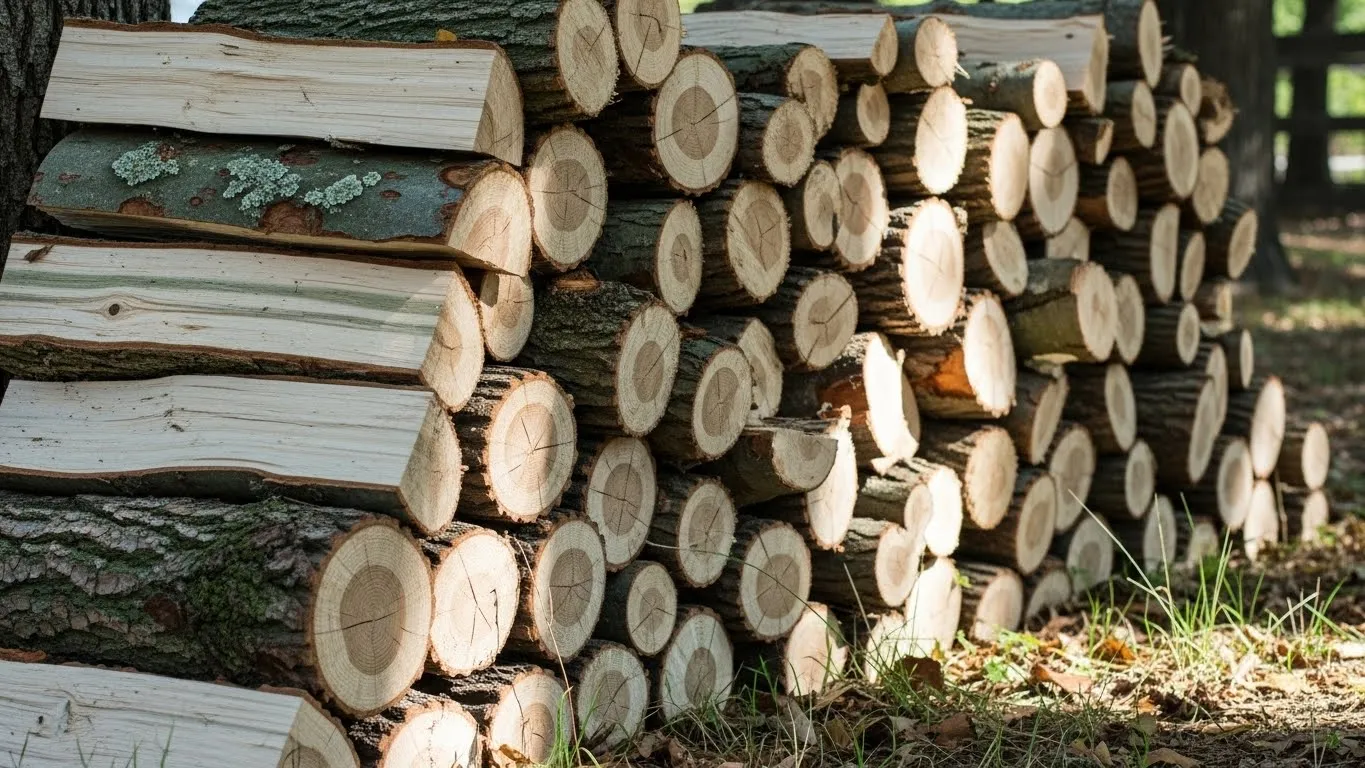
poplar wood burning should ideally be split soon after cutting and stacked in a well-ventilated area. Elevating the wood off the ground and protecting it from direct rain can speed the drying process.
Most poplar reaches optimal burning conditions after six to twelve months of seasoning. A moisture content below twenty percent is generally considered ideal.
When properly dried, poplar wood burning becomes cleaner, more efficient, and safer for chimney systems.
Smoke and Creosote Considerations
Firewood quality affects more than heat output. It also influences smoke production and chimney cleanliness.
Wet or poorly seasoned poplar can generate excessive smoke. This smoke contains particles and gases that may contribute to creosote accumulation inside chimneys. Creosote is a flammable residue that increases the risk of chimney fires.
Fortunately, properly seasoned poplar wood burning burns much cleaner. While it may still produce slightly more smoke than some premium hardwoods, regular chimney maintenance and proper burning practices can minimize potential issues.
Using dry wood remains the most effective way to improve performance and reduce buildup.
Environmental Advantages
Environmental sustainability has become an important consideration for many homeowners. Poplar trees offer several ecological benefits that make them appealing from a renewable energy perspective.
Because they grow rapidly, poplar trees can be harvested and replenished more quickly than slower-growing hardwood species. Their fast growth also allows them to absorb substantial amounts of carbon dioxide during their lifetime.
In addition, poplar plantations are commonly used for reforestation and land restoration projects. These characteristics contribute to the tree’s reputation as a renewable and environmentally responsible resource.
For individuals seeking locally sourced firewood, poplar wood burning can support sustainable forestry practices while reducing transportation-related emissions.
Performance in Fireplaces and Wood Stoves
poplar wood burning performs differently depending on the heating appliance being used.
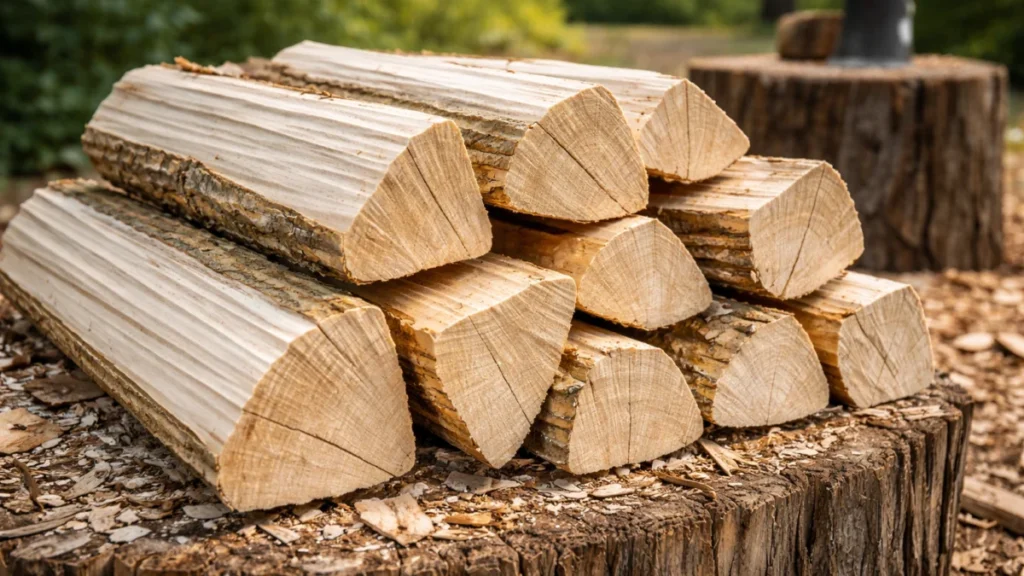
In traditional fireplaces, the wood produces attractive flames and a pleasant atmosphere. Because it ignites quickly, it can create a welcoming fire without requiring extensive preparation.
In wood stoves, poplar provides steady heat but generally burns faster than hardwood alternatives. Users may need to reload the stove more frequently, particularly during colder weather.
For this reason, many stove owners reserve poplar for daytime heating and use denser hardwoods for overnight burns.
Understanding these differences helps maximize efficiency and comfort throughout the heating season.
Outdoor Fire Pits and Campfires
Beyond home heating, poplar is frequently used in outdoor settings. Campers and backyard enthusiasts appreciate how easily it starts and maintains a lively flame.
The wood’s quick-burning nature creates an enjoyable fire without requiring constant effort. Whether gathering around a backyard fire pit or enjoying a weekend camping trip, poplar can provide warmth and ambiance for social occasions.
Its affordability also makes it a practical choice for recreational use where maximum heat output is not the primary goal.
Comparing Poplar to Other Firewood Types
When compared with premium hardwoods, poplar wood burning ranks lower in overall heat production and burn duration. However, this does not mean it lacks value.
Oak remains one of the best choices for long-lasting winter heat. Hickory offers exceptional energy content and extended burn times. Maple provides a good balance of heat and efficiency.
Poplar’s strengths lie elsewhere. It is easier to split, seasons more quickly, costs less in many regions, and starts fires efficiently. These qualities make it a useful addition to a diversified firewood supply.
Rather than viewing poplar as a replacement for hardwoods, many homeowners treat it as a complementary fuel source that serves specific purposes.
Common Misconceptions About Poplar Firewood
Some people assume poplar wood burning is unsuitable for burning simply because it produces less heat than oak or hickory. This belief overlooks its practical benefits.
Others mistakenly think poplar creates excessive smoke regardless of condition. In reality, most smoke-related problems result from burning wood before it has fully seasoned.
There is also a misconception that lighter woods are automatically poor-quality firewood. While density affects heat output, factors such as availability, ease of handling, and drying time can be equally important depending on individual needs.
Final Thoughts
Poplar wood burning offers a practical and economical heating solution for homeowners, campers, and outdoor enthusiasts. Although it does not match the heat output of premium hardwoods, it compensates with quick seasoning, easy splitting, reliable ignition, and widespread availability.
For mild weather heating, recreational fires, and fire-starting purposes, poplar performs exceptionally well. When properly seasoned and used alongside denser hardwoods, it can become an important part of an efficient firewood strategy.
The key to success lies in understanding its strengths and limitations. By treating poplar as a versatile fuel rather than expecting hardwood-level performance, users can enjoy clean, dependable fires while taking advantage of one of nature’s most accessible renewable resources.
FAQs poplar wood burning
Q: Is poplar wood good for burning in a fireplace?
A: Yes, poplar burns well when properly seasoned and is suitable for fireplaces and wood stoves.
Q: How long should poplar wood season before burning?
A: Poplar typically needs 6 to 12 months of drying time for efficient burning.
Q: Does poplar wood produce a lot of heat?
A: It produces moderate heat but less than dense hardwoods like oak and hickory.
Q: Is poplar easy to split for firewood?
A: Yes, its straight grain makes splitting quick and easy.
Q: Can poplar be mixed with other firewood?
A: Yes, many people combine poplar with hardwoods for better heat and longer burn times.
