

Introduction
When it comes to outdoor timber, durability is often the most important factor. Homeowners, landscapers, architects, and construction professionals all look for wood that can withstand harsh weather conditions while maintaining its strength and appearance for many years. This is where Robinia Wood UK has gained significant attention.
Often referred to as Black Locust timber, Robinia is recognized as one of the strongest and most naturally durable hardwoods available in Europe. Its impressive resistance to decay, insects, and moisture makes it a preferred choice for a wide range of outdoor applications. From playground structures and fencing to landscaping projects and outdoor furniture, this hardwood continues to prove its value throughout the United Kingdom.
As sustainability becomes a growing concern in the construction and landscaping industries, Robinia has emerged as an environmentally responsible alternative to many imported tropical hardwoods. Its long lifespan and natural durability allow it to perform exceptionally well without the need for chemical treatments.
Understanding Robinia Timber
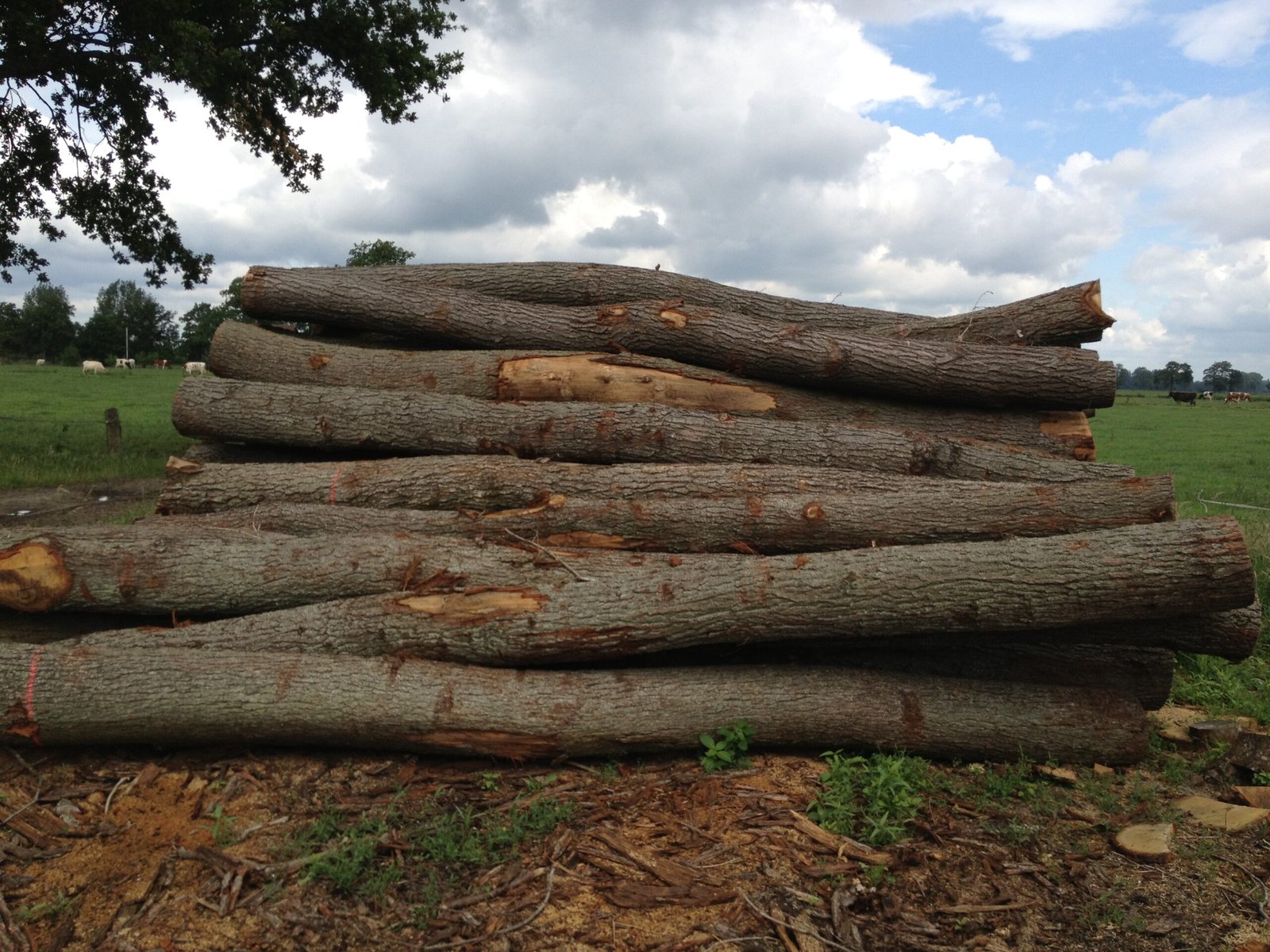
Robinia Wood UK timber comes from the Robinia pseudoacacia tree, commonly known as Black Locust. Although the species originated in North America, it has been cultivated across Europe for centuries and is now widely available throughout the UK timber market.
The wood is immediately recognizable by its golden-yellow to olive-brown appearance. Over time, exposure to sunlight and weather causes the timber to develop an attractive silver-grey patina, which many designers and landscapers appreciate for its natural aesthetic.
One of the most remarkable characteristics of Robinia is its density. The wood is extremely hard and strong, allowing it to withstand heavy use in demanding outdoor environments where many other timber species would deteriorate much faster.
Why Robinia Has Become Popular in the UK
The British climate presents unique challenges for outdoor timber. Frequent rainfall, fluctuating temperatures, and persistent moisture create conditions that can accelerate wood decay. As a result, choosing the right timber is essential for long-term performance.
The growing popularity of Robinia Wood UK is largely due to its exceptional ability to handle these environmental conditions naturally. Unlike many traditional timber options, Robinia does not require extensive treatment to resist rot and fungal attack.
Its durability allows structures to remain functional and visually appealing for decades. This makes it particularly attractive for public spaces, schools, parks, gardens, and residential landscaping projects where longevity is a major consideration.
Exceptional Natural Durability
One of the defining features of Robinia Wood UK timber is its natural durability. The wood contains compounds that provide strong resistance against decay organisms, insects, and fungal growth.
Many hardwoods require preservatives or pressure treatment before they can be used outdoors. Robinia, however, possesses natural protective properties that allow it to perform effectively without additional chemical treatments.
This characteristic not only reduces maintenance requirements but also contributes to environmental sustainability. Property owners can enjoy long-lasting outdoor structures while minimizing the use of potentially harmful chemicals.
| Attribute | Details |
|---|---|
| Name | Robinia Wood |
| Scientific Name | Robinia pseudoacacia |
| Common Names | Black Locust, False Acacia |
| Wood Type | Hardwood |
| Origin | North America |
| Availability in UK | Widely Available |
| Color | Golden Brown to Olive Yellow |
| Durability Rating | Very Durable |
| Rot Resistance | Excellent |
| Maintenance | Low |
| Typical Uses | Fencing, Decking, Playgrounds, Landscaping |
| Sustainability | Eco-Friendly and Renewable |
| Outdoor Lifespan | 25–40+ Years |
| Treatment Required | No |
Strength and Performance
Robinia Wood UK is widely regarded as one of Europe’s strongest hardwoods. Its high density and structural integrity make it suitable for applications where strength is essential.
The timber can withstand substantial loads and physical stress, making it ideal for playground equipment, retaining structures, bridges, and heavy-duty fencing systems. Its ability to maintain structural performance over time is one reason it continues to gain recognition among architects and landscape designers.
Even under demanding conditions, Robinia remains remarkably stable and reliable, providing excellent value throughout its service life.
Sustainability and Environmental Benefits
Sustainability has become an important consideration when selecting building materials. Robinia Wood UK offers several environmental advantages that make it an attractive choice for modern projects.
The tree grows relatively quickly compared to many traditional hardwood species. This allows forests to be managed more sustainably while maintaining a reliable supply of timber.
Additionally, Robinia trees contribute positively to ecosystems through their ability to fix nitrogen in the soil. This process improves soil fertility and supports surrounding vegetation.
By choosing sustainably sourced Robinia timber, consumers can reduce dependence on tropical hardwood imports while supporting environmentally responsible forestry practices.
Common Uses of Robinia Timber
The versatility of Robinia Wood UK allows it to be used across a wide range of projects. Its combination of strength, durability, and natural beauty makes it suitable for both functional and decorative applications.
In landscaping, Robinia is frequently used for retaining walls, edging, pergolas, and garden structures. Its resistance to ground contact decay makes it especially valuable for projects where timber is exposed directly to moisture.
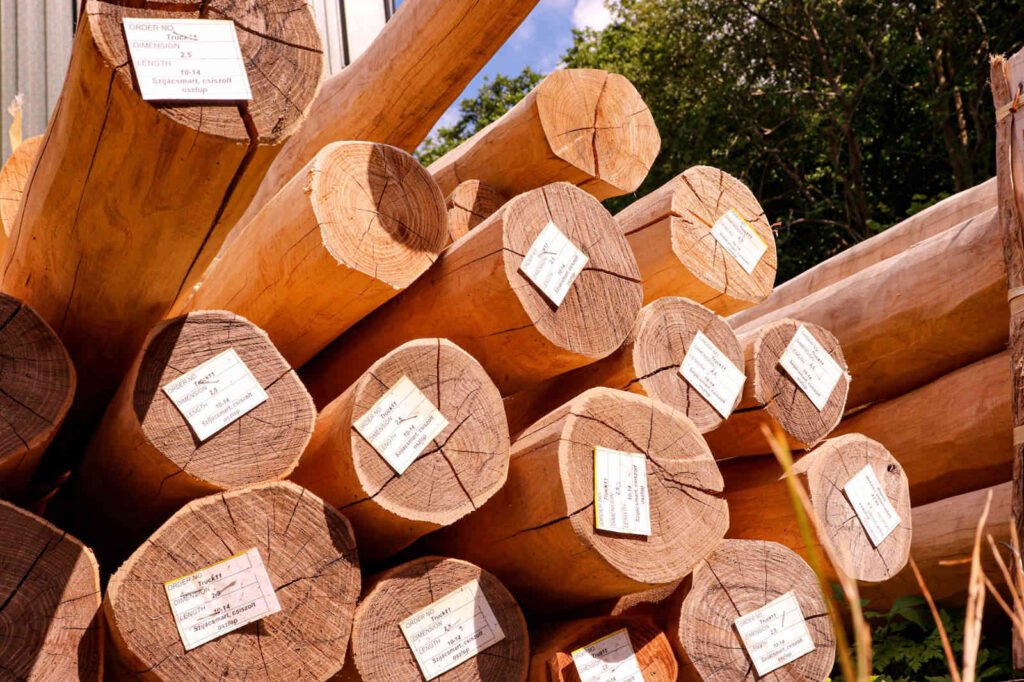
Playground manufacturers often select Robinia because of its safety, durability, and distinctive organic appearance. The natural shapes and curves of Robinia poles create visually appealing play environments that blend seamlessly into outdoor settings.
The timber is also commonly used for fencing, decking, outdoor seating, picnic areas, boardwalks, and public infrastructure projects where long-term durability is required.
Appearance and Aesthetic Appeal
Beyond its practical advantages, Robinia Wood UK offers considerable visual appeal. Freshly cut timber displays warm golden and olive tones that bring character to outdoor spaces.
The grain pattern is often irregular and distinctive, giving each piece of timber a unique appearance. This individuality contributes to the natural charm that many designers seek in landscaping and architectural projects.
As the wood ages, weather exposure gradually transforms its surface into an elegant silver-grey color. This natural aging process is highly valued in contemporary landscape design and often enhances the overall aesthetic of outdoor installations.
Maintenance Requirements
One reason many property owners choose Robinia Wood UK is its relatively low maintenance requirements.
Unlike softer woods that require frequent treatments, staining, or replacement, Robinia generally needs minimal intervention once installed. Routine cleaning and occasional inspections are often sufficient to maintain its appearance and structural integrity.
This low-maintenance nature helps reduce long-term ownership costs while preserving the timber’s natural beauty for many years.
Comparing Robinia to Other Hardwoods
When compared with traditional hardwoods such as oak, Robinia Wood UK frequently demonstrates superior resistance to decay and environmental wear.
Oak remains a respected and widely used hardwood, butRobinia Wood UK natural durability often provides an advantage in outdoor applications. Its resistance to moisture-related deterioration allows it to maintain performance even in challenging climates.
For projects where longevity is a primary concern, many professionals consider Robinia a practical and sustainable alternative to both treated softwoods and imported hardwood species.
Challenges and Considerations
Although Robinia Wood UK offers numerous benefits, there are a few factors to consider before selecting it for a project.
The wood’s density and hardness can make machining more difficult compared to softer timber species. Specialized tools and proper handling techniques may be necessary during fabrication and installation.
Additionally, Robinia Wood UK can develop natural splits and surface checking as it dries. These characteristics are generally considered normal and do not significantly affect structural performance.
Because of its premium qualities, Robinia may also have a higher initial cost than common softwoods. However, its exceptional lifespan often compensates for the greater upfront investment.
The Future of Robinia in the UK
As demand for sustainable and durable building materials continues to increase Robinia Wood UK is expected to play an even greater role in the UK timber industry.
Its ability to provide long-term performance without chemical treatment aligns well with modern environmental goals and construction standards. Increasing awareness among architects, designers, and homeowners is further contributing to its growing popularity.
With continued focus on sustainability and durability, Robinia is likely to remain one of the most sought-after hardwood options for outdoor applications across the United Kingdom.
Conclusion
Robinia Wood UK has established itself as one of the most reliable and environmentally responsible hardwood choices available today. Its exceptional durability, natural resistance to decay, impressive strength, and attractive appearance make it suitable for a wide variety of outdoor projects.
Whether used in landscaping, playground construction, fencing, decking, or public infrastructure, Robinia consistently delivers long-lasting performance with minimal maintenance. As more individuals and organizations seek sustainable alternatives to traditional timber products, Robinia continues to stand out as a practical and future-focused solution.
For anyone planning an outdoor project that demands durability, beauty, and environmental responsibility, Robinia remains one of the finest timber options available in the UK market.
