

Introduction
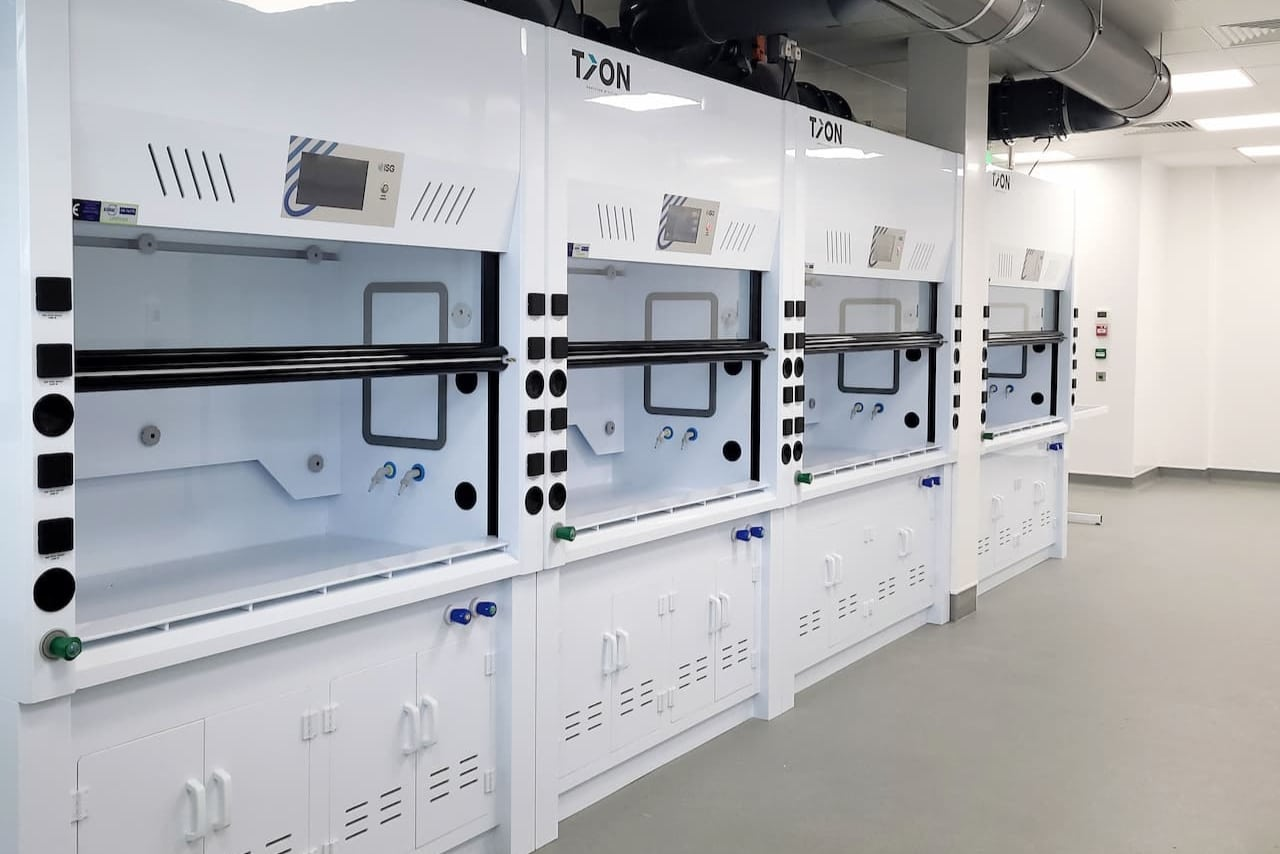
Modern laboratories work with a wide range of chemicals that can release hazardous fumes, vapours, gases, and airborne particles during routine procedures. Without proper ventilation and filtration, these contaminants can pose serious health risks to laboratory personnel and affect the quality of experiments. This is where fume cupboard filters play an essential role. They are a critical component of ductless fume cupboards, designed to capture harmful substances before clean air is safely returned to the laboratory.
Unlike traditional ducted fume cupboards that exhaust contaminated air outside the building, ductless systems rely on advanced filtration technology to remove hazardous contaminants from the air. Selecting the correct filter for the chemicals being used is essential because different substances require different filtration media. Understanding how these filters work, their benefits, maintenance requirements, and limitations helps laboratories create a safer and more efficient working environment.
What Are Fume Cupboard Filters?
Fume cupboard filters are specially engineered filtration cartridges installed inside ductless laboratory fume cupboards. Their primary purpose is to remove harmful chemical vapours, gases, odours, and airborne particles generated during laboratory work. Instead of allowing contaminated air to escape into the room or venting it outdoors, the filters clean the air before it is recirculated.
These filters are manufactured using different filtration materials depending on the intended application. Activated carbon is commonly used to absorb chemical vapours, while HEPA and ULPA filters are designed to capture extremely fine particles. Many laboratories also use specialised chemical filters developed specifically for substances such as formaldehyde, ammonia, acids, and mercury vapours.
Because every laboratory handles different chemicals, choosing the correct filtration media is one of the most important decisions when installing or maintaining a ductless fume cupboard.
Bio Table
| Attribute | Details |
|---|---|
| Article Title | Fume Cupboard Filters: The Complete Guide to Safe Laboratory Air Filtration |
| Focus Keyword | Fume Cupboard Filters |
| Category | Laboratory Equipment |
| Article Type | Informative Guide |
| Industry | Laboratory & Scientific Equipment |
| Suitable For | Laboratories, Universities, Research Centres, Hospitals, Pharmaceutical Companies |
| Purpose | To explain the types, benefits, maintenance, and importance of fume cupboard filters |
How the Filtration Process Works
The filtration process begins when hazardous fumes are generated inside the working chamber of the fume cupboard. A built-in fan draws contaminated air away from the operator and directs it through one or more filtration stages.
In many systems, larger airborne particles are first trapped by a pre-filter. This helps extend the life of the main filter by preventing dust and debris from reaching the filtration media. The air then passes through an activated carbon filter, where chemical vapours and organic solvents are absorbed through adsorption. If particulate hazards are present, HEPA or ULPA filters remove microscopic particles before the purified air is released back into the laboratory.
This multi-stage filtration process allows laboratories to maintain a safe working atmosphere while reducing the need for complex external ducting systems.
Different Types of Filters
Activated carbon filters are the most widely used filtration option in ductless fume cupboards. They contain highly porous carbon with an enormous internal surface area capable of trapping thousands of chemical compounds. These filters are particularly effective for solvents, volatile organic compounds, unpleasant odours, and many common laboratory chemicals.
HEPA filters are designed to remove airborne particles rather than gases. They capture extremely small particles such as powders, biological contaminants, dust, and aerosols with an efficiency of up to 99.97% at 0.3 microns. Laboratories working with biological samples or fine powders often rely on HEPA filtration for additional protection.
ULPA filters offer even higher particle removal efficiency than HEPA filters. They are commonly used in cleanrooms, pharmaceutical production facilities, semiconductor manufacturing, and advanced research laboratories where extremely clean air is essential.
Speciality chemical filters are manufactured for specific hazardous substances that cannot be adequately captured by standard activated carbon. These filters may be chemically impregnated to improve their ability to remove formaldehyde, ammonia, acid gases, chlorine, sulphur compounds, and mercury vapours.
Why Proper Filtration Matters
Laboratory workers may be exposed to dangerous chemicals every day. Continuous exposure to harmful vapours can lead to respiratory irritation, headaches, dizziness, allergic reactions, and long-term health complications depending on the chemicals involved. Proper filtration significantly reduces these risks by removing contaminants before they reach the breathing zone of laboratory personnel.
Good air quality also contributes to better working conditions. Clean laboratory air reduces unpleasant chemical odours, improves comfort, and supports concentration during sensitive experiments. In research environments, maintaining clean air can also minimise contamination that may interfere with scientific results.
Benefits of Using Fume Cupboard Filters
One of the greatest advantages of using fume cupboard filters is improved laboratory safety. By capturing hazardous fumes directly at the source, these systems help protect researchers, technicians, students, and healthcare professionals from unnecessary exposure.
Another important benefit is energy efficiency. Traditional ducted systems continuously remove conditioned indoor air from the building, increasing heating and cooling costs. Ductless filtration systems recirculate cleaned air, helping laboratories reduce overall energy consumption.
Installation is generally quicker and less expensive because there is no need for external ductwork. This makes ductless units suitable for laboratories where building modifications are difficult or costly.
These filtration systems also provide greater flexibility. Since they do not require permanent ducting, many ductless fume cupboards can be relocated as laboratory layouts change. This adaptability is particularly valuable in educational institutions, temporary research facilities, and expanding laboratories.
Environmental benefits are another consideration. Proper filtration helps reduce the release of hazardous chemicals into the atmosphere, supporting safer and more sustainable laboratory operations.
Applications Across Different Industries
Laboratories across numerous industries depend on effective filtration technology. Universities use filtered fume cupboards for chemistry teaching laboratories where students regularly handle solvents and reactive chemicals. Pharmaceutical companies rely on them during drug research, formulation, and quality control processes.
Hospitals and medical laboratories use filtration systems while preparing chemicals, analysing biological samples, and conducting diagnostic testing. Biotechnology companies depend on high-quality air filtration to protect sensitive research and product development.
Food testing laboratories frequently use these systems when analysing additives, preservatives, and contaminants. Environmental laboratories use them while examining water, soil, and air samples that may contain hazardous substances. Industrial research centres also incorporate advanced filtration systems during product development and material testing.
Choosing the Right Filter
Selecting the appropriate filter depends on several important factors. The type of chemical being used is usually the first consideration because not all filtration media capture every substance effectively. Chemical concentration, frequency of use, temperature, humidity, and airflow requirements should also be evaluated before selecting a filter.
Laboratory managers should always consult the equipment manufacturer’s chemical compatibility guides before making a decision. Many manufacturers provide detailed filter selection charts that indicate which filtration media are suitable for specific chemicals.
Proper risk assessment is equally important. Laboratories working with highly toxic substances or unknown chemical mixtures may require a traditional ducted fume cupboard instead of a filtered system.
Maintenance and Filter Replacement
Like every safety device, filtration systems require routine maintenance to remain effective. Over time, activated carbon becomes saturated and gradually loses its ability to absorb chemical vapours. HEPA and ULPA filters may also become blocked as particles accumulate within the filtration media.
Regular inspection helps identify signs that replacement is required. A noticeable chemical odour, reduced airflow, increased fan resistance, or filter saturation indicators all suggest that maintenance should be carried out promptly.
Many modern ductless fume cupboards include electronic monitoring systems that continuously measure filter performance and alert users when replacement is necessary. Following the manufacturer’s maintenance schedule ensures the system continues to provide reliable protection.
Replacing filters on time is not simply a maintenance task; it is an essential part of laboratory safety management.
Common Limitations
Although filtration technology has advanced considerably, filtered systems are not suitable for every application. Some highly volatile chemicals or unknown mixtures cannot be safely removed using standard activated carbon filters. In these situations, externally ducted ventilation remains the preferred option.
Filter performance also depends on correct selection and regular maintenance. Installing the wrong filter or continuing to use a saturated filter may significantly reduce protection. For this reason, laboratories should implement regular inspection programmes and maintain accurate service records.
Future Developments
Laboratory filtration technology continues to evolve as manufacturers develop more efficient and environmentally friendly filtration media. Smart monitoring systems, digital airflow sensors, automatic filter life prediction, and improved activated carbon formulations are making modern filtration systems safer and easier to maintain.
Researchers are also exploring advanced adsorption materials capable of removing a wider range of hazardous chemicals while extending filter lifespan. These innovations will continue improving laboratory safety while reducing maintenance costs and environmental impact.
Conclusion
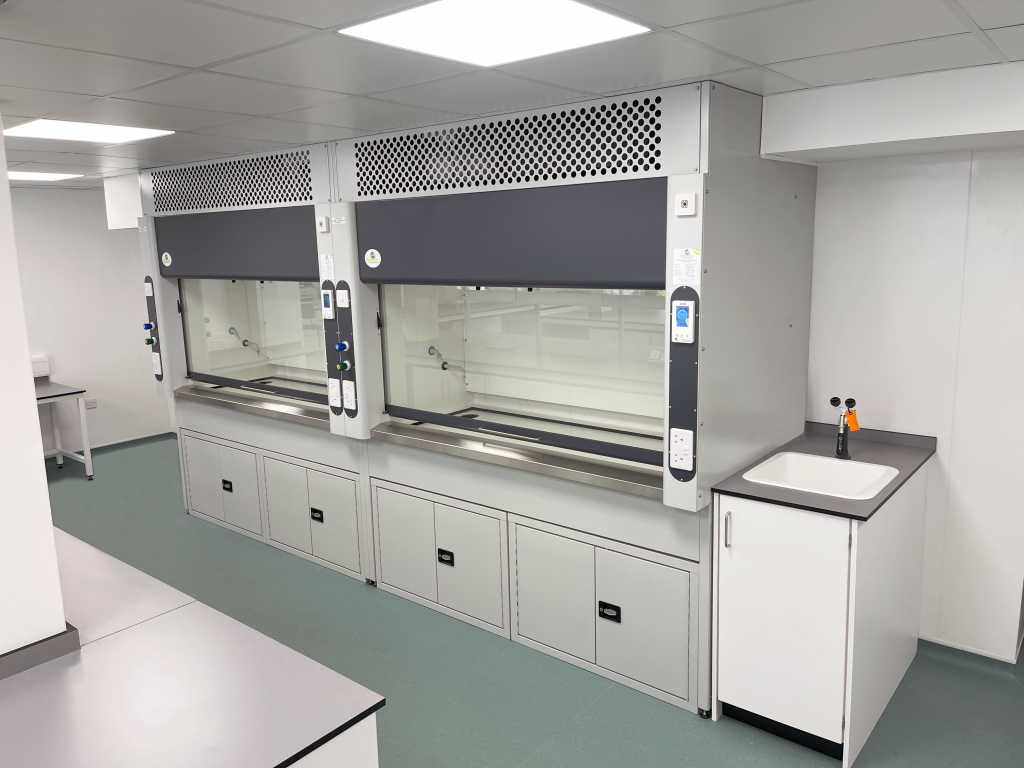
Fume cupboard filters are an essential part of modern laboratory safety, providing reliable protection against hazardous vapours, gases, odours, and airborne particles. Their ability to clean contaminated air before it is recirculated makes ductless fume cupboards an efficient and flexible solution for many research, educational, healthcare, and industrial laboratories. When the correct filter is selected, properly maintained, and replaced according to the manufacturer’s recommendations, these systems help create a cleaner, safer, and more productive working environment. Investing in high-quality filtration is not only a practical decision but also a commitment to protecting laboratory personnel, preserving research quality, and maintaining the highest standards of workplace safety.
