

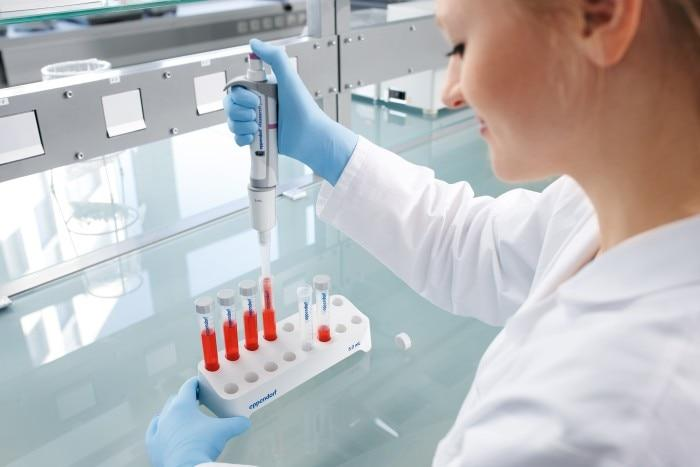
Accurate liquid handling is one of the most important aspects of laboratory work, and even a minor error can affect the outcome of an experiment. Whether researchers are performing molecular biology, microbiology, pharmaceutical testing, or clinical diagnostics, the quality of laboratory consumables plays a significant role in achieving reliable results. Among these consumables, Eppendorf pipette tips have earned a strong reputation for precision, consistency, and dependable performance.
Designed to work with micropipettes, these disposable tips help laboratories transfer liquids safely and accurately while reducing the risk of contamination. Their high manufacturing standards and compatibility with a wide range of laboratory procedures have made them a preferred choice in research institutions, hospitals, universities, and biotechnology companies around the world.
This guide explains what these pipette tips are, how they work, their advantages, different types, common applications, and the factors to consider when selecting the right tip for your laboratory needs.
What Are Eppendorf Pipette Tips?
Eppendorf pipette tips are disposable laboratory accessories that attach securely to micropipettes for the accurate aspiration and dispensing of liquids. Manufactured primarily from high-quality virgin polypropylene, they are engineered to provide precise liquid transfer while maintaining sample integrity.
These tips are available in multiple sizes to accommodate different volume ranges, from fractions of a microlitre to several millilitres. They are produced under strict quality control standards to ensure consistent dimensions, secure fitting, and dependable performance in demanding laboratory environments.
Because laboratory accuracy depends on every component of the liquid handling process, choosing a high-quality pipette tip is just as important as selecting a reliable pipette.
Bio Table
| Attribute | Details |
|---|---|
| Product Name | Eppendorf Pipette Tips |
| Product Type | Laboratory Consumable |
| Material | Virgin Polypropylene (PP) |
| Available Types | Standard, Filter, Sterile, Low-Retention, Reload |
| Volume Range | 0.1 µL to 10 mL (depending on model) |
| Primary Uses | Liquid handling, sample transfer, laboratory research |
| Applications | Molecular Biology, PCR, Clinical Diagnostics, Biotechnology, Pharmaceutical Research |
| Key Features | High precision, low retention, contamination protection, secure fit |
| Compatibility | Eppendorf micropipettes and selected compatible pipettes |
| Sterile Options | Yes |
| Filter Options | Yes |
| Reusable | No (Disposable) |
Why High-Quality Pipette Tips Matter
In scientific research, reproducibility is essential. Laboratories rely on accurate measurements so that experiments can be repeated with the same results. Poor-quality pipette tips may have inconsistent dimensions, leading to inaccurate liquid transfer, leakage, or poor sealing with the pipette.
Premium laboratory tips help reduce these risks by providing reliable performance during every aspiration and dispensing cycle. They also minimise sample loss, improve measurement accuracy, and protect valuable laboratory samples.
This level of consistency is especially important in applications involving DNA, RNA, proteins, pharmaceuticals, and clinical samples, where even a small deviation can influence the final results.
Materials and Manufacturing
Most premium laboratory pipette tips are manufactured from medical-grade virgin polypropylene. This material offers excellent chemical resistance, high purity, and durability while maintaining flexibility for a secure pipette fit.
Advanced manufacturing processes help produce smooth internal surfaces that reduce liquid retention. Lower retention means that a greater proportion of the sample is dispensed accurately, which is particularly valuable when working with expensive reagents or limited sample volumes.
Many sterile products are also certified free from contaminants such as DNase, RNase, pyrogens, and endotoxins, making them suitable for sensitive molecular biology procedures.
Different Types Available
Laboratories perform a wide variety of procedures, so different types of pipette tips have been developed to meet specific requirements.
Standard tips are suitable for routine liquid handling in chemistry laboratories, educational institutions, and general research facilities. They provide dependable performance for everyday laboratory work.
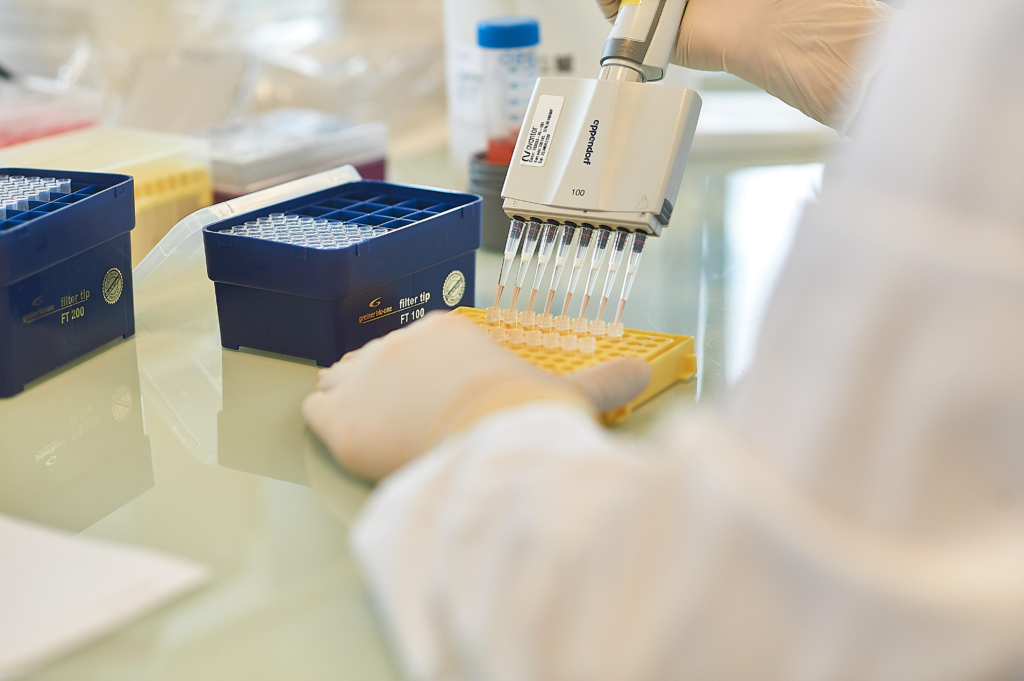
Filtered tips contain a hydrophobic barrier that prevents aerosols and liquids from entering the pipette body. This protection reduces the possibility of cross-contamination while also extending the lifespan of the pipette itself. These tips are widely used in PCR, forensic analysis, and diagnostic laboratories.
Sterile tips undergo sterilisation before packaging and are commonly used in microbiology, cell culture, and clinical laboratories where contamination control is essential.
Low-retention tips feature specially engineered internal surfaces that minimise liquid adhesion. They are particularly beneficial when transferring viscous liquids, enzymes, proteins, or valuable biological samples.
Reload systems have also become increasingly popular because they reduce plastic waste while maintaining laboratory cleanliness and convenience.
Common Volume Ranges
Laboratory procedures require different liquid volumes depending on the application. Pipette tips are therefore available in multiple capacities to support various experimental needs.
Small-volume tips are commonly used for DNA amplification, RNA analysis, and PCR preparation. Medium-volume tips support routine laboratory testing, chemical analysis, and biological research. Larger tips are designed for sample preparation, reagent dispensing, and applications requiring greater liquid volumes.
Selecting the correct volume range helps maximise measurement accuracy while reducing the possibility of pipetting errors.
Applications in Modern Laboratories
These laboratory consumables are used across numerous scientific disciplines. Molecular biology laboratories depend on them for DNA extraction, PCR preparation, sequencing, and genetic analysis. Clinical laboratories use them for diagnostic testing, blood sample preparation, and biochemical assays.
Pharmaceutical companies rely on precise liquid handling during drug development, formulation testing, and quality control. Food testing laboratories use pipette tips to analyse contaminants, microorganisms, and nutritional components.
Environmental scientists also utilise them when testing water quality, soil samples, and pollution levels. In academic institutions, they remain one of the most frequently used laboratory consumables during practical training and scientific research.
Benefits of Using Eppendorf Pipette Tips
One of the greatest advantages of Eppendorf pipette tips is their exceptional precision. Their carefully controlled manufacturing tolerances allow laboratories to achieve accurate liquid transfer with consistent results.
Another important benefit is contamination control. Filtered and sterile options help protect sensitive samples while preventing aerosols from entering the pipette. This is particularly valuable in molecular biology and diagnostic applications.
Low-retention technology improves sample recovery by ensuring that more liquid leaves the tip during dispensing. This reduces waste and increases the efficiency of expensive laboratory reagents.
Their secure fit also improves user confidence. Proper sealing reduces leakage, enhances measurement accuracy, and provides smoother pipetting during repetitive laboratory procedures.
Additionally, the durable polypropylene construction ensures chemical resistance and dependable performance across a broad range of laboratory environments.
Choosing the Right Pipette Tip
Selecting the appropriate pipette tip depends on the type of work being performed. Laboratories handling infectious materials or performing PCR generally benefit from filtered tips because they reduce contamination risks.
Researchers working with cell cultures or sterile biological samples should consider sterile tips to maintain sample integrity throughout the experiment.
For protein solutions, enzymes, or viscous liquids, low-retention designs often provide better recovery rates and more accurate dispensing.
Compatibility is another important factor. Using tips specifically designed for the pipette model helps maintain measurement accuracy while reducing mechanical wear on the instrument.
Proper Handling and Storage
Correct handling practices help maintain the quality of laboratory consumables. Pipette tips should be stored in clean, dry conditions away from dust and excessive moisture. Sterile products should remain sealed until they are ready for use.
Users should avoid touching the dispensing end of the tip, as this may introduce contaminants into sensitive samples. Replacing the tip between different samples also reduces the risk of cross-contamination and helps maintain reliable experimental results.
Routine laboratory training and proper pipetting techniques further improve measurement accuracy while extending the service life of the pipette.
Sustainability in Modern Laboratories
Laboratories are becoming increasingly aware of environmental responsibility. Manufacturers have responded by introducing refill systems, recyclable packaging, and production methods that reduce plastic consumption without compromising product quality.
Reload systems allow laboratories to reuse storage racks while replacing only the sterile tip trays. This approach significantly decreases laboratory plastic waste and supports sustainability initiatives without affecting workflow efficiency.
As environmental awareness continues to grow, laboratories are expected to adopt more sustainable consumables alongside responsible waste management practices.
Conclusion
Precision is the foundation of successful laboratory work, and selecting the right consumables plays a crucial role in achieving dependable results. Eppendorf pipette tips have become a trusted choice because of their accuracy, consistent manufacturing quality, contamination protection, and compatibility with a wide range of scientific applications.
Whether supporting routine laboratory testing, advanced molecular biology research, pharmaceutical development, or clinical diagnostics, these pipette tips provide the reliability that modern laboratories require. By selecting the correct tip type, maintaining proper handling practices, and using products that meet recognised quality standards, researchers can improve experimental accuracy, protect valuable samples, and contribute to more reproducible scientific outcomes.
FAQs
Q: What are Eppendorf pipette tips?
A: They are disposable laboratory tips used for accurate liquid transfer with micropipettes.
Q: Are Eppendorf pipette tips sterile?
A: Yes, they are available in both sterile and non-sterile versions.
Q: What are filter pipette tips used for?
A: They prevent aerosol contamination and protect both samples and pipettes.
Q: Which material is used to make Eppendorf pipette tips?
A: Most are made from high-purity virgin polypropylene.
Q: Where are Eppendorf pipette tips commonly used?
A: They are widely used in research, clinical, pharmaceutical, and biotechnology laboratories.
